KSAHKOMIITAPIIKS (EARTH BEINGS)
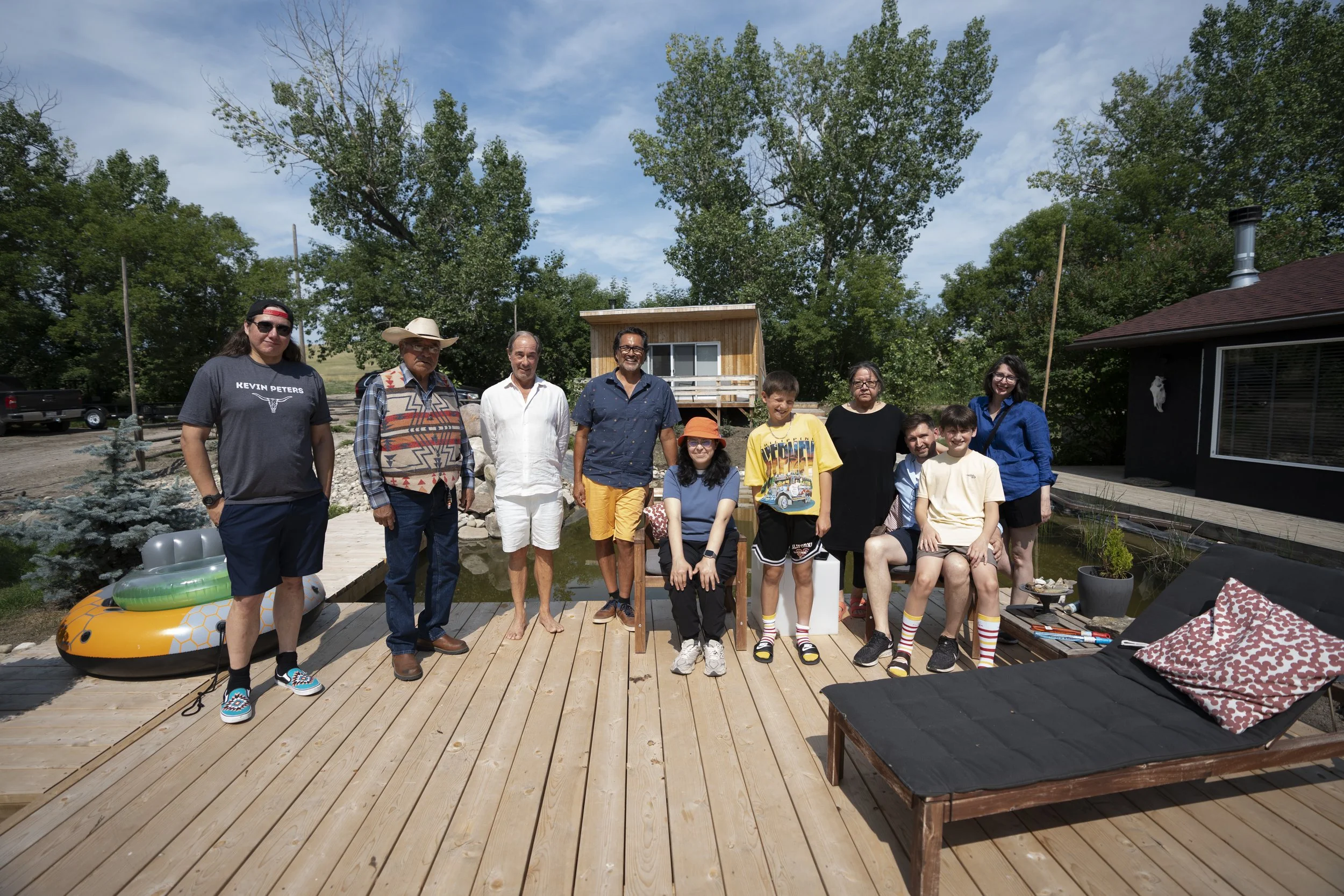
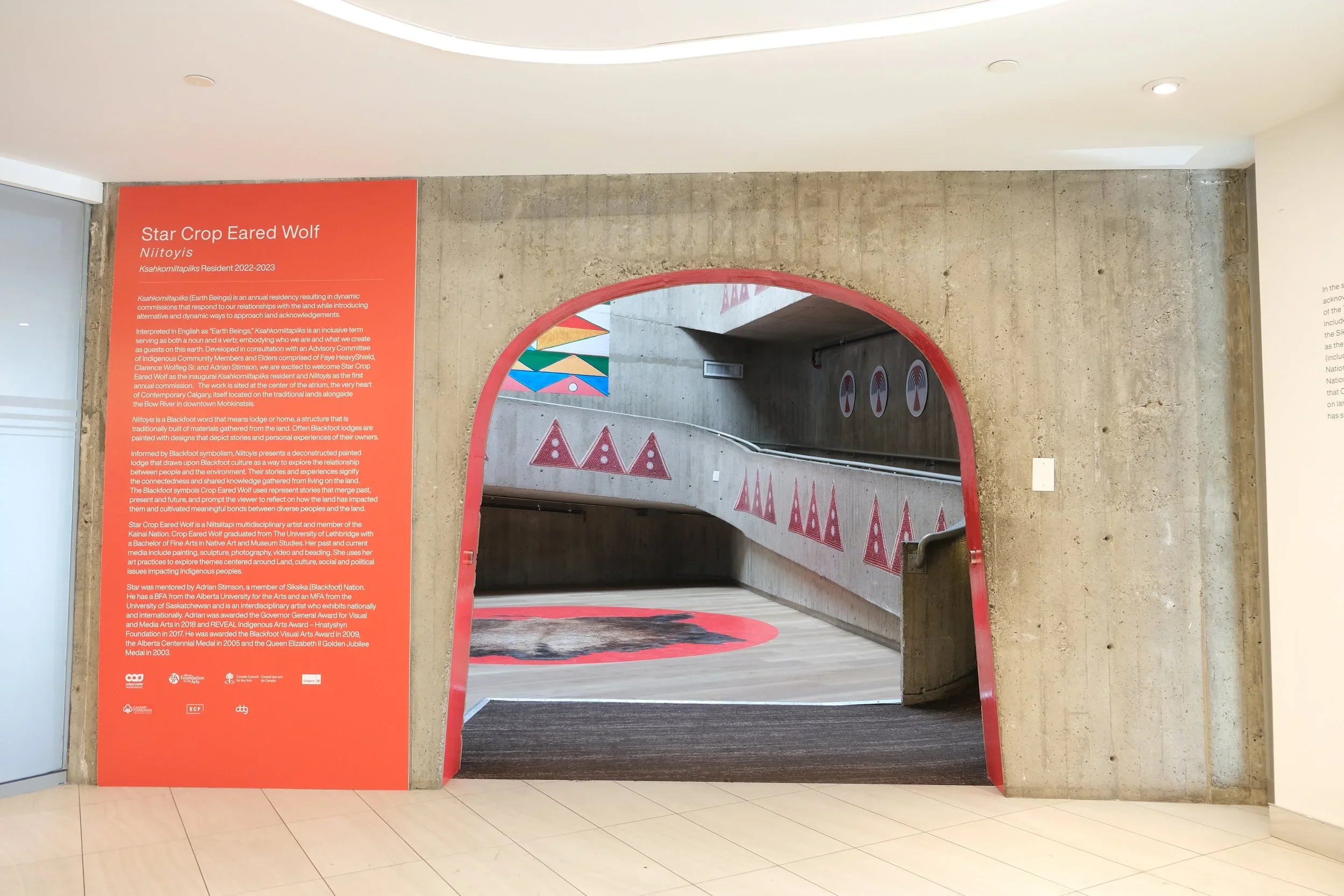
Begun in 2022, Ksahkomiitapiiks is an annual, Indigenous artist residency focusing on responsive practices and dynamic public programs that interrogate and nurture our relationships with the land.
Interpreted in English as Earth Beings, Ksahkomiitapiiks, is both a noun and a verb: embodying who we are and what we create as guests on this earth. Spoken aloud, it is an invocation — a blessing, a call for prayer, witness, and inspiration.
“This residency is mentored by the land itself; your art is being led by your relationship with the land, or the relationship you hope to have with the land.” - Faye Heavyshield

About Ksahkomiitapiiks (Earth Beings)
Program Vision
The residency is conceived as an active land acknowledgement, offering an alternative to static statements. It is intended as a process of collective learning — an opportunity for all peoples to reflect on our shared responsibilities as custodians of the land.
Through ongoing dialogue with the advisory committee and local Indigenous communities, we have come to understand that land-based knowledge is alive and resilient — carried within the body, collective memory, and the land itself. It is intuited and learned through observation and care, and is rooted in a relationship of stewardship, not ownership. Across cultures and histories, people have long lived in close relationship with the natural world, guided by practices of care, reciprocity, and respect for the land. Ksahkomiitapiiks was developed to create space for new generations of Indigenous artists to deepen that reconnection, to generate new knowledge, and to carry forward ancestral languages, practices, and relationships with the land.
Guided by artists, mentors, and Elders, the residency opens pathways to strengthened connection while nurturing practices of respect, reciprocity, and belonging. Fees and budget for research and production are provided.
Structure of the Residency
While anchored in an annual cycle, the program resists rigid formats. Past residents are welcomed into the advisory committee as part of a rolling cycle, ensuring the residency remains responsive and evolving.
Annual Cycle: Each year, one artist is invited to pursue an area of research. There is no requirement to produce a physical artwork, although this is welcomed.
Timeline: The residency is structured around two phases, one of research and development, the other of exhibition and/or public engagement.
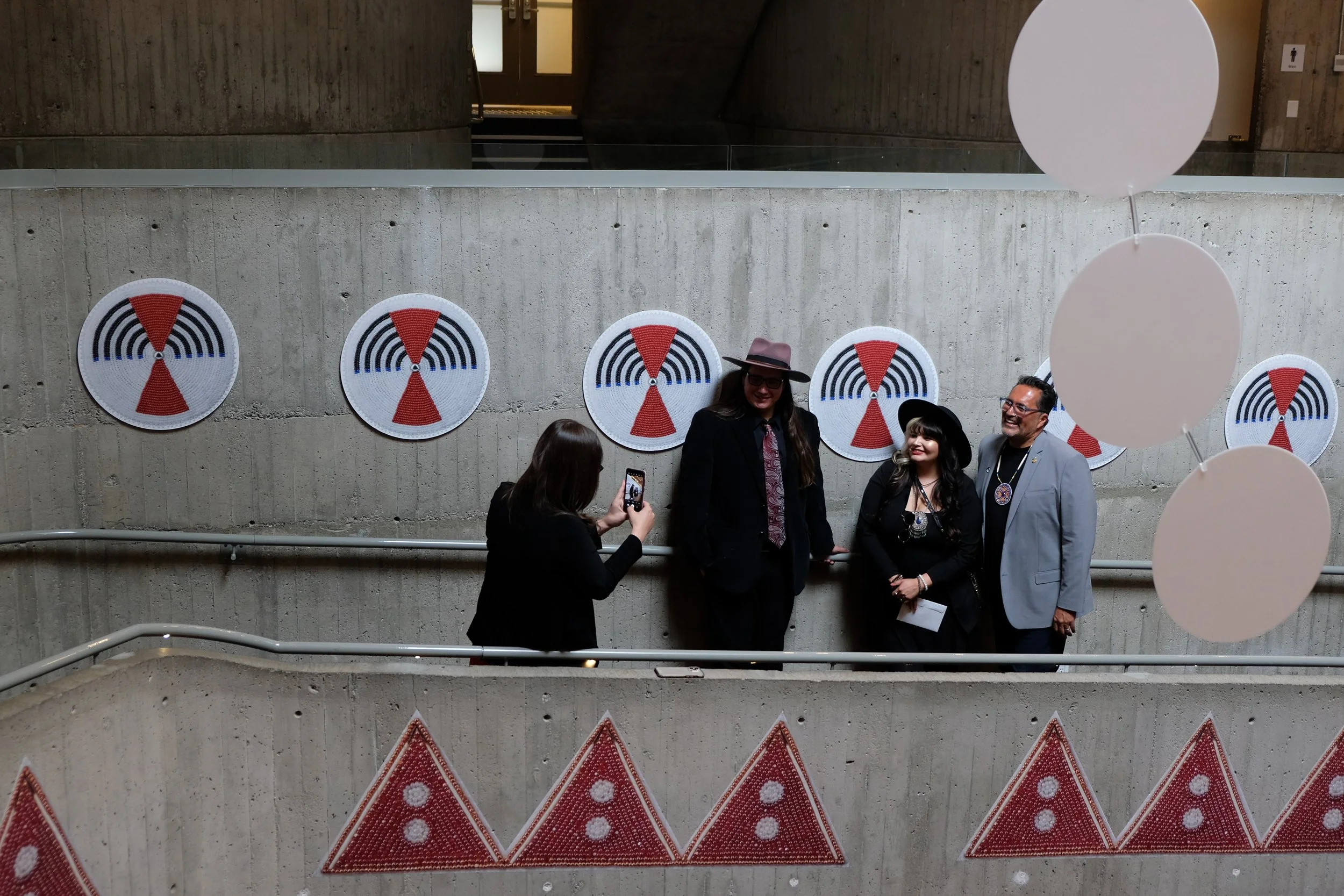
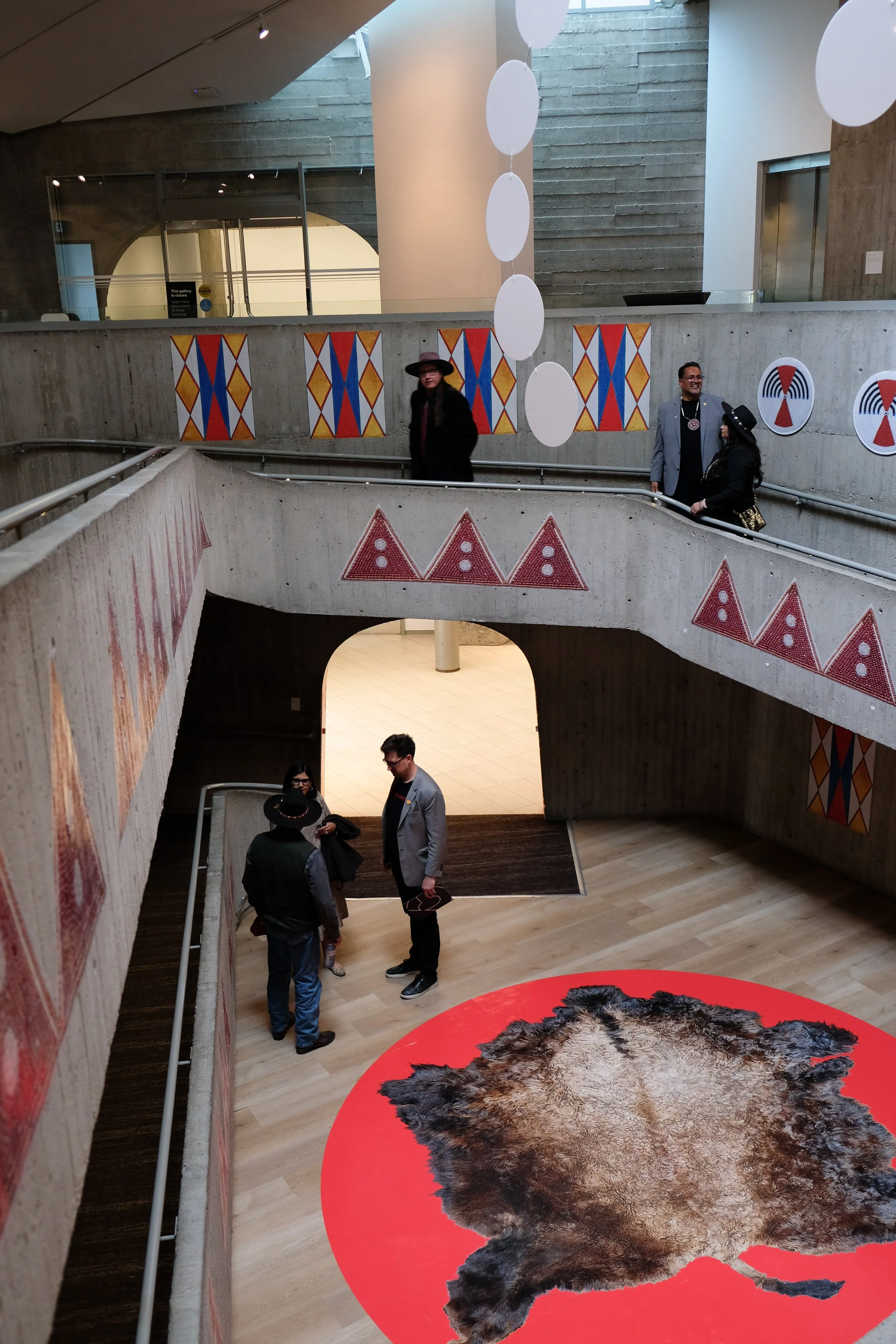
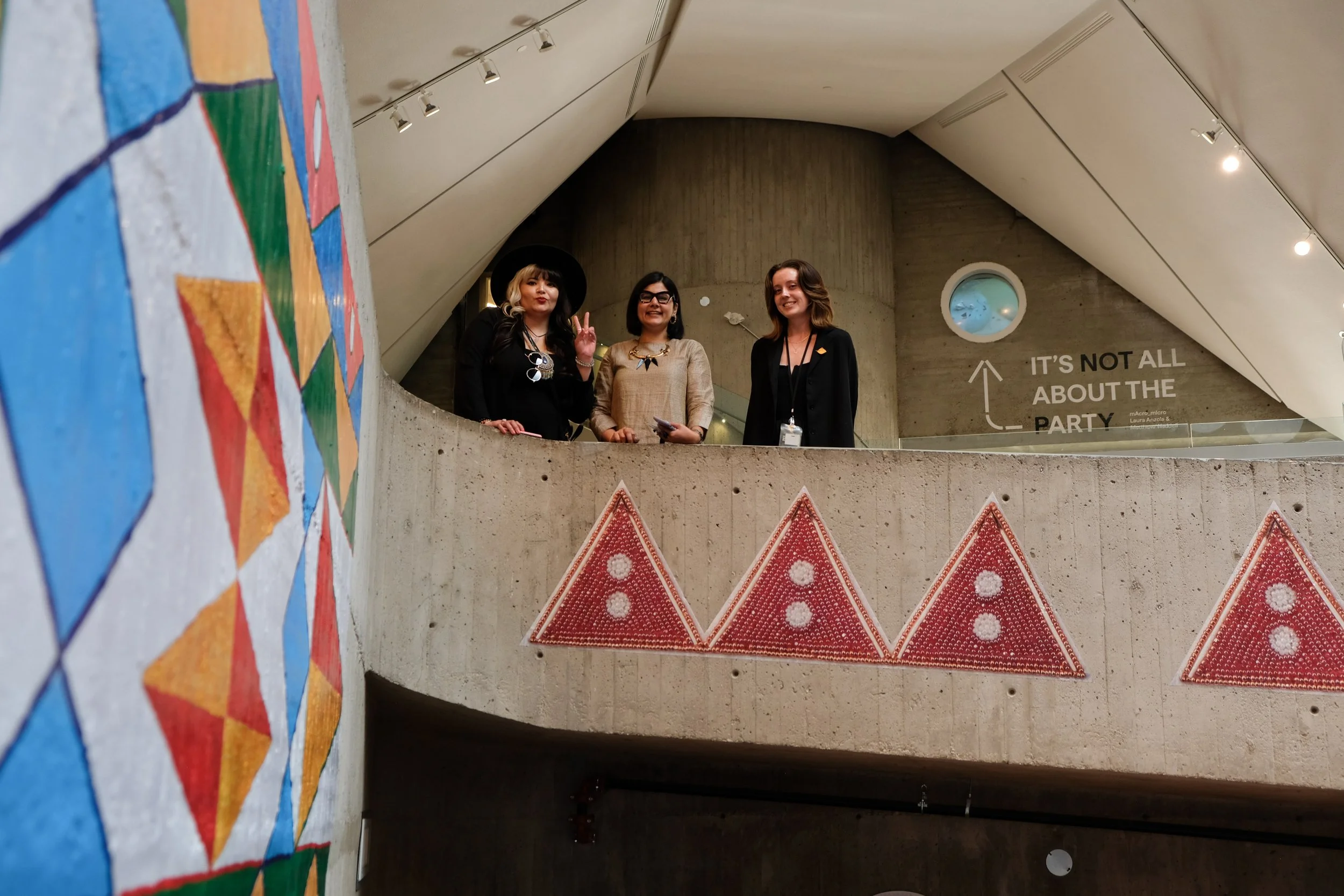
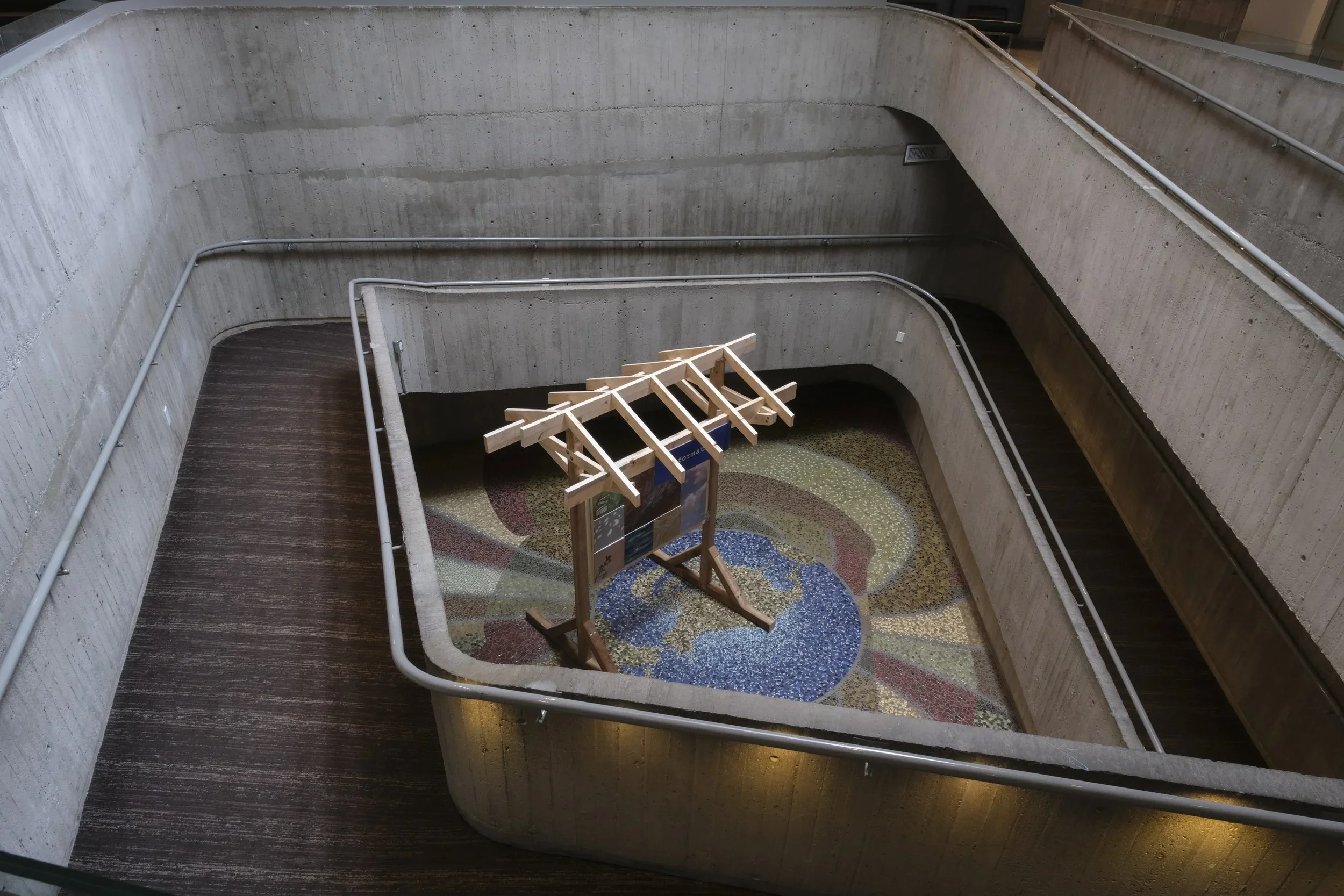
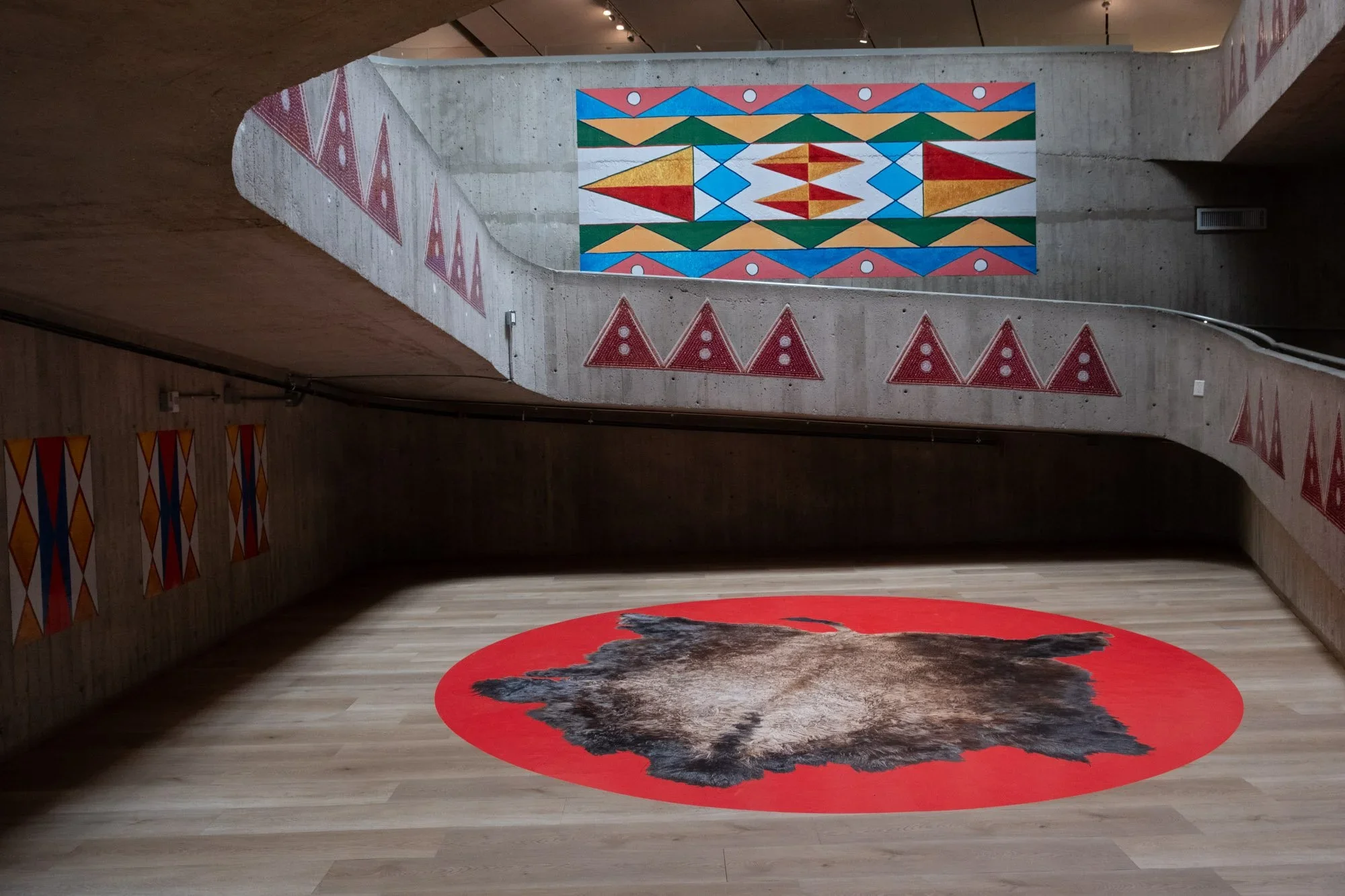
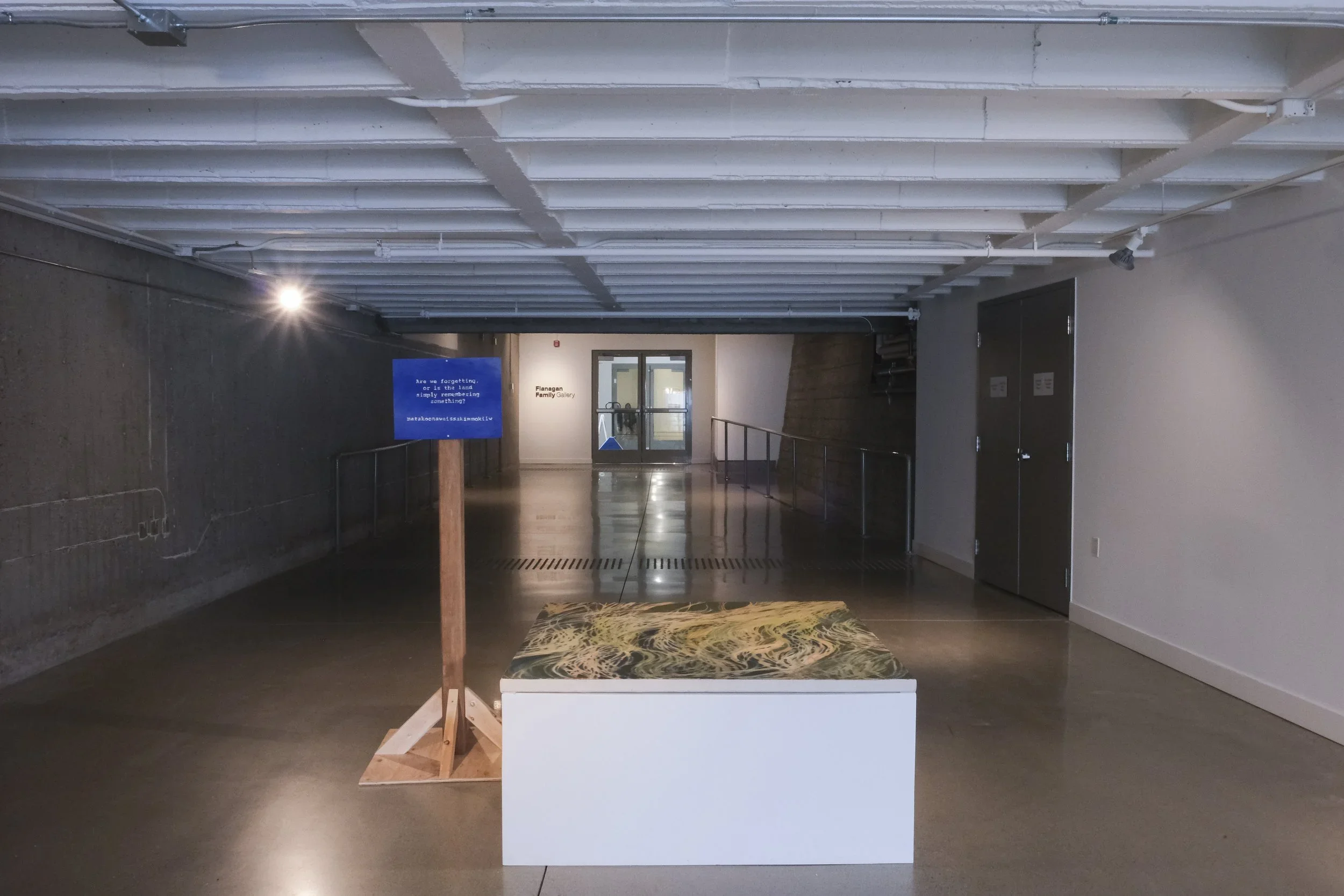
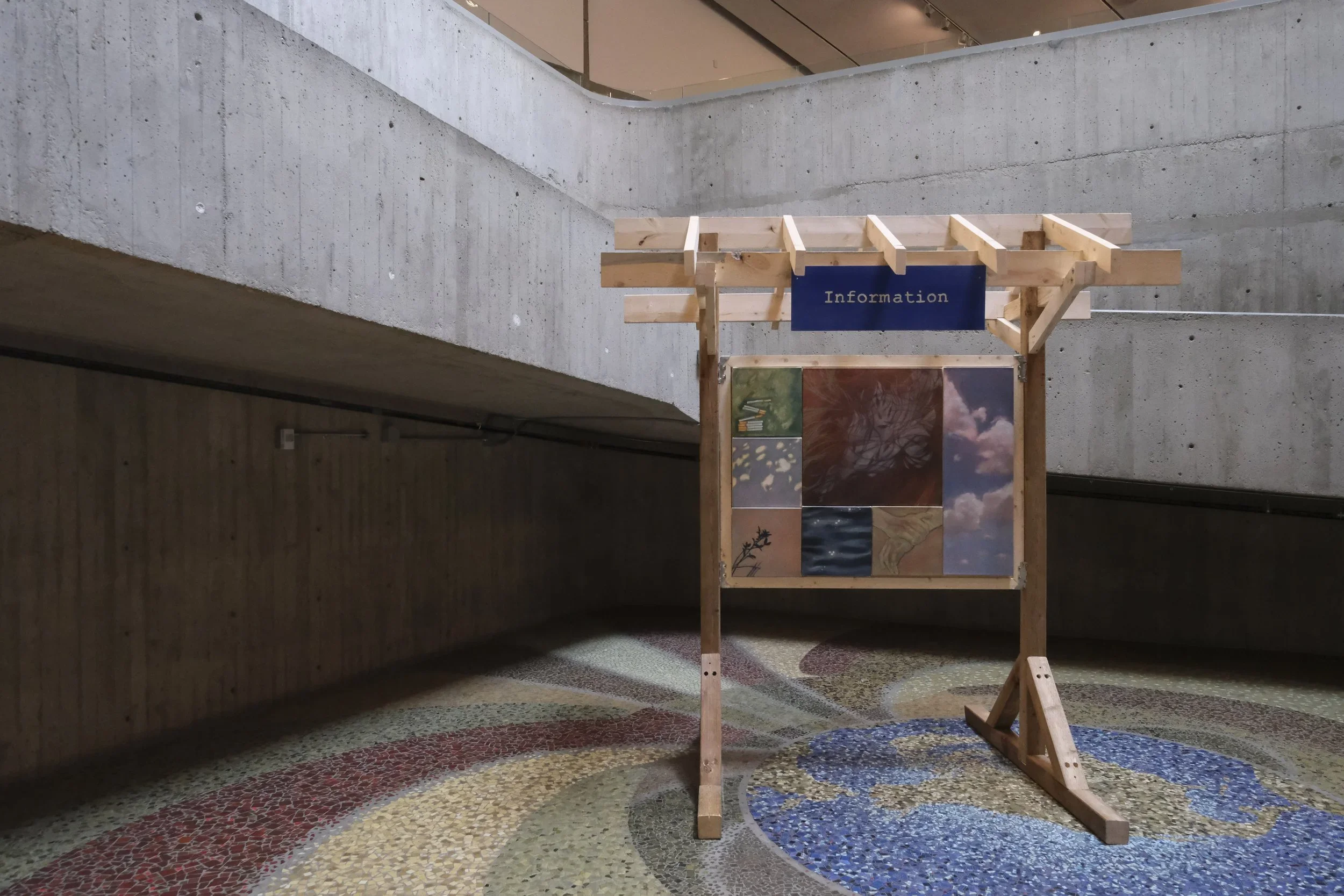
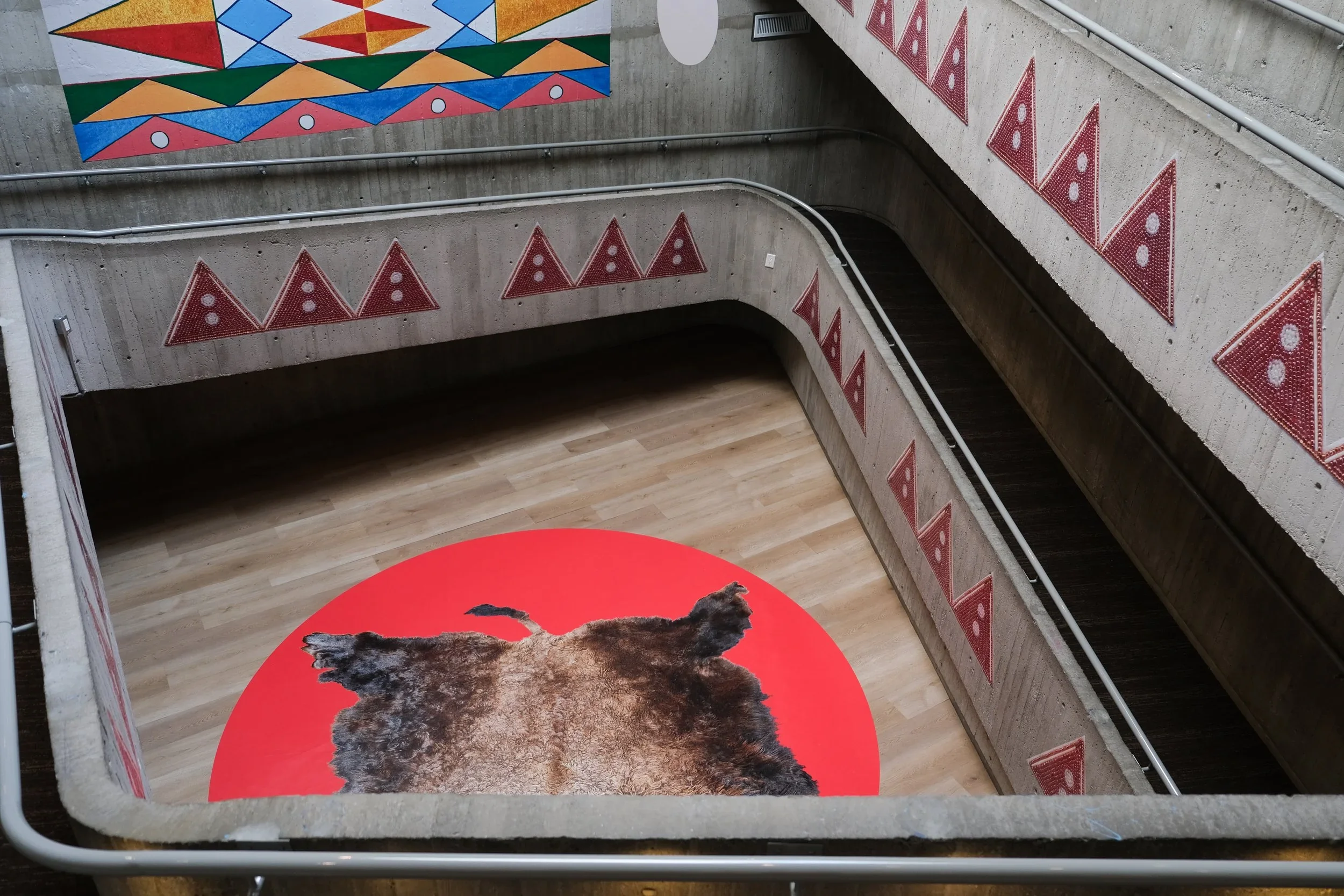
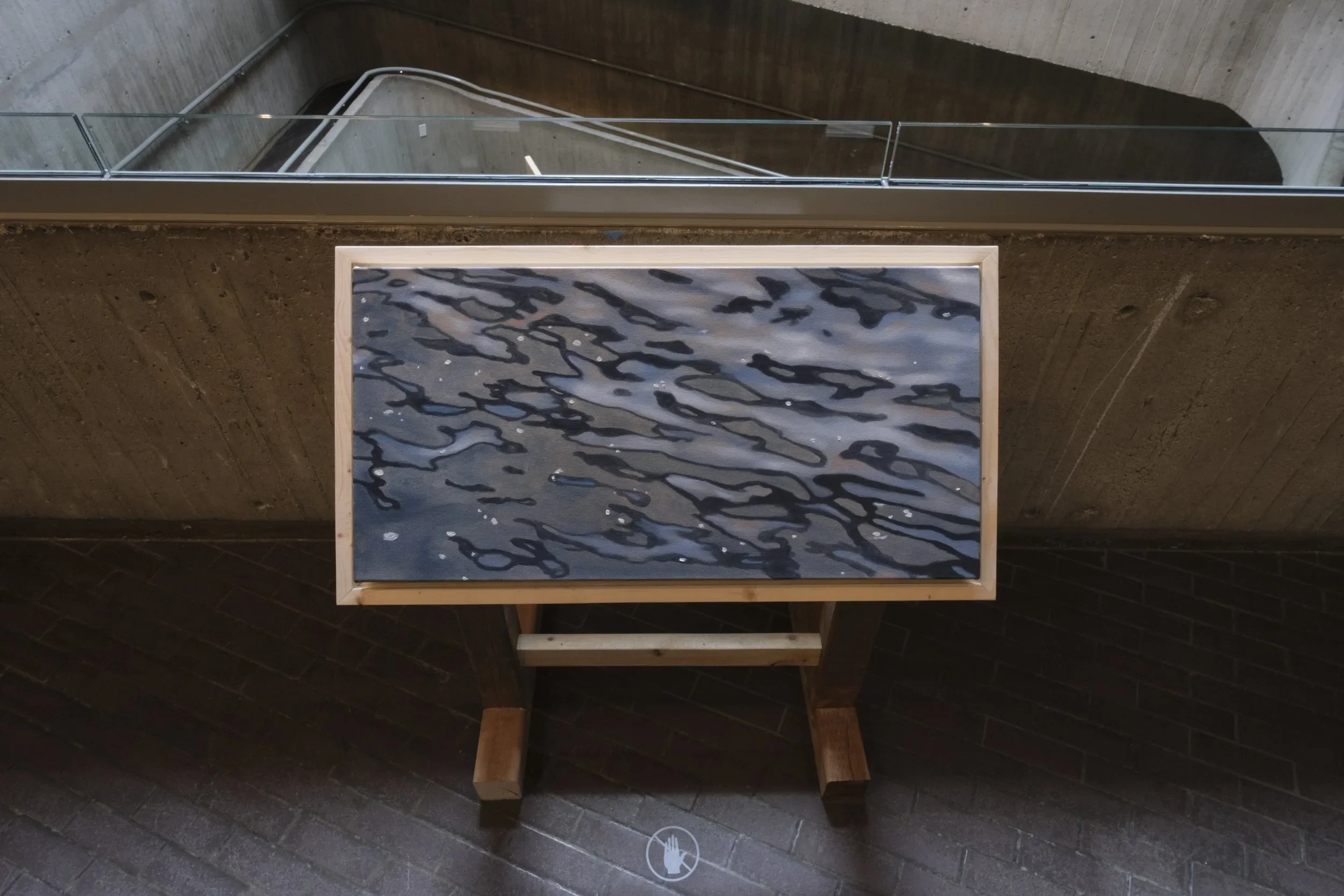
Site of Installation: The resident artist is free to respond to any public spaces within the gallery, depending on their practice and the ways they wish audiences to engage with their work. The centre of Contemporary Calgary’s atrium is also reserved annually for the residency, directly above Helena Hadala’s Mosaic (1979), a work that represents the Earth with Calgary at its centre.
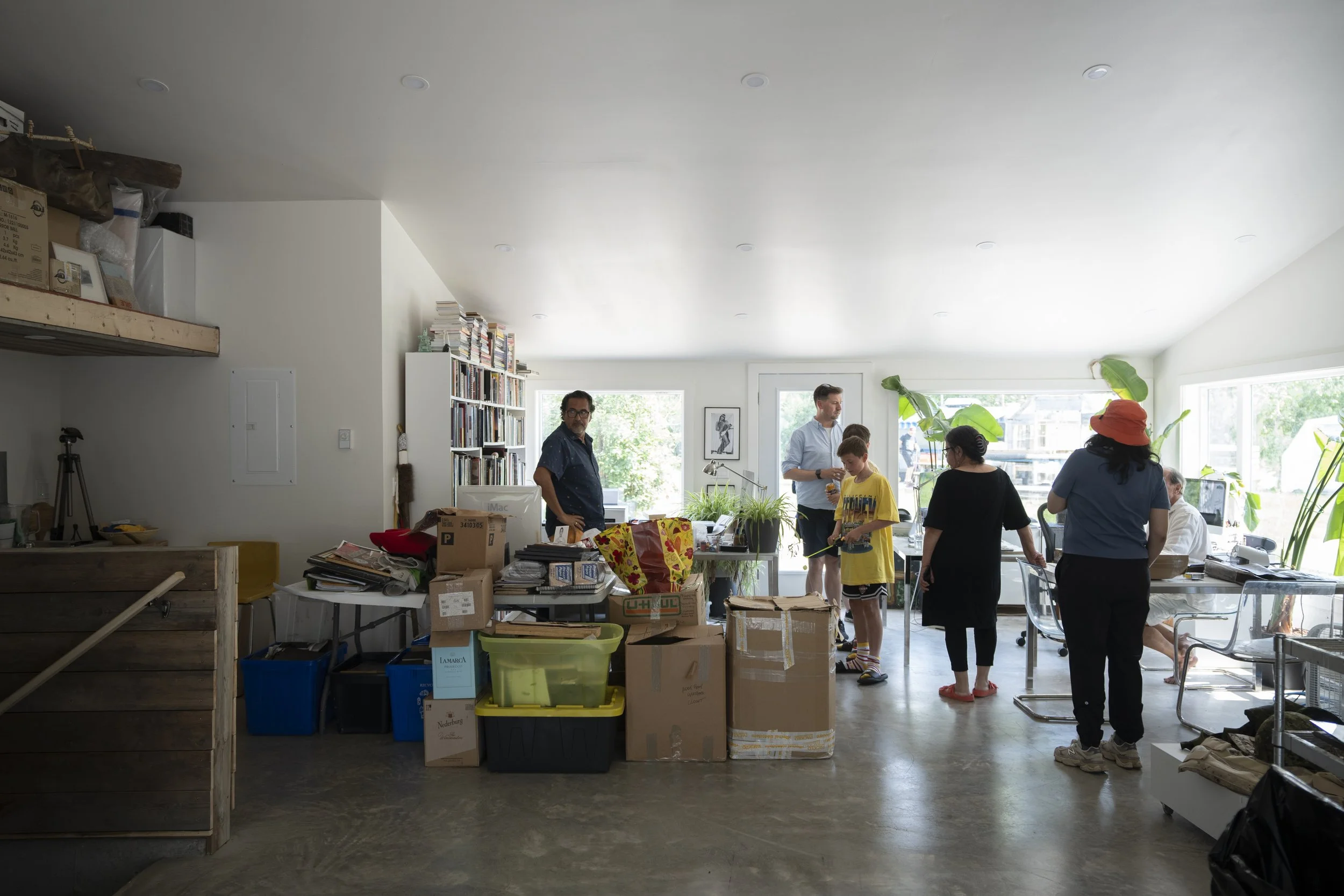
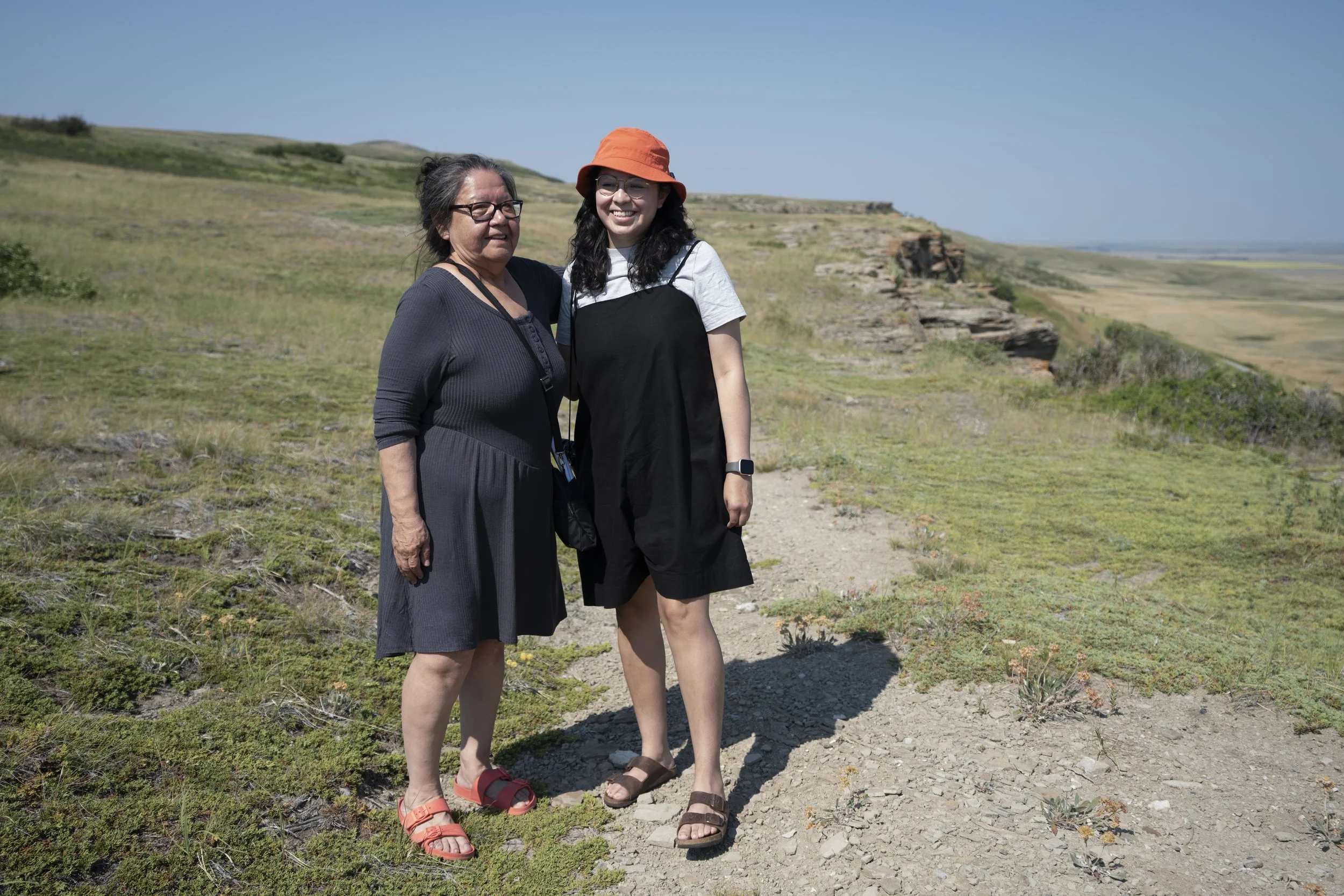
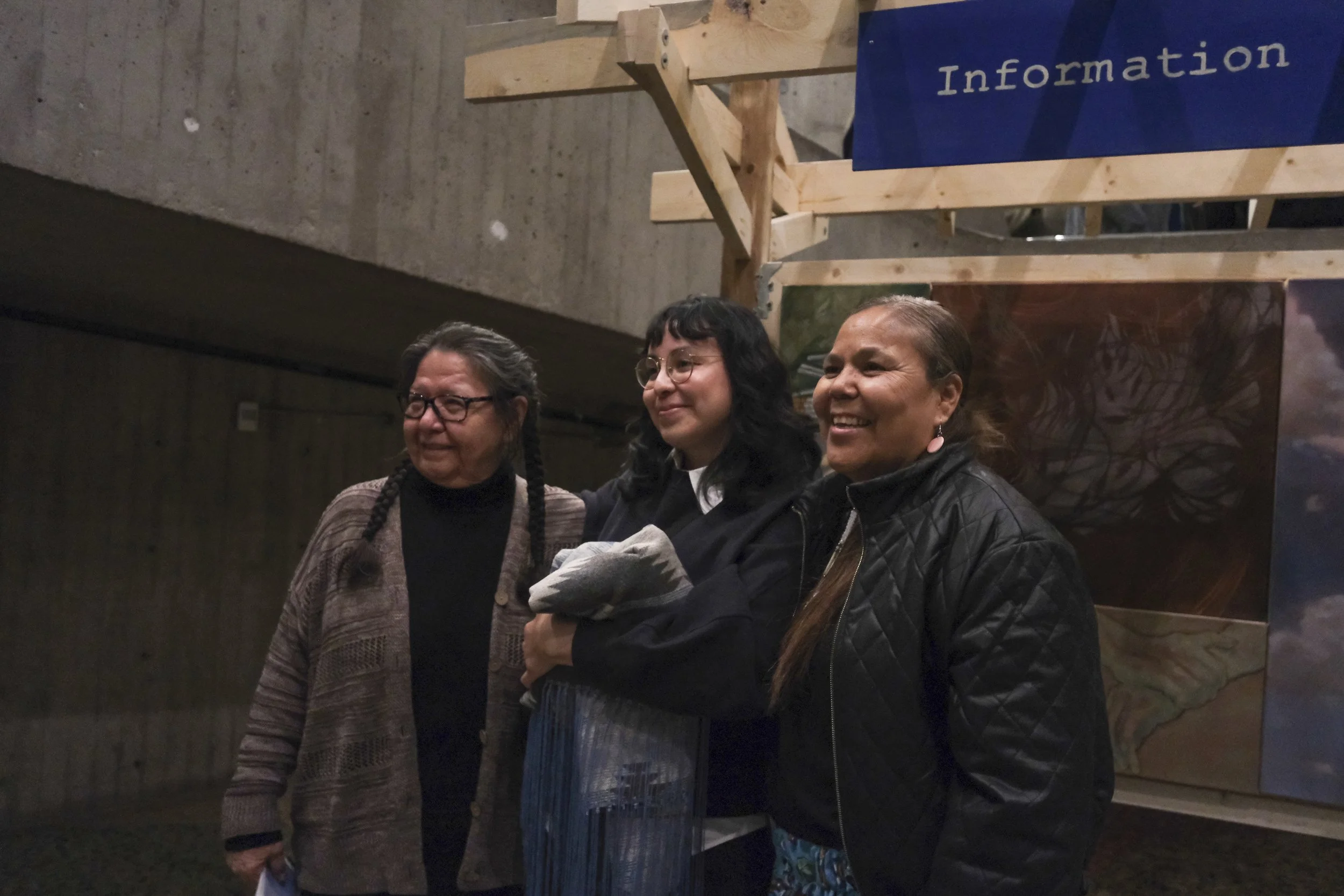
Mentorship: Each artist is paired with an Indigenous mentor of their choosing, fostering a creative and empathetic partnership grounded in knowledge sharing. Mentors support the artists in exploring the land, developing their artistic practice, and preparing for public engagement.
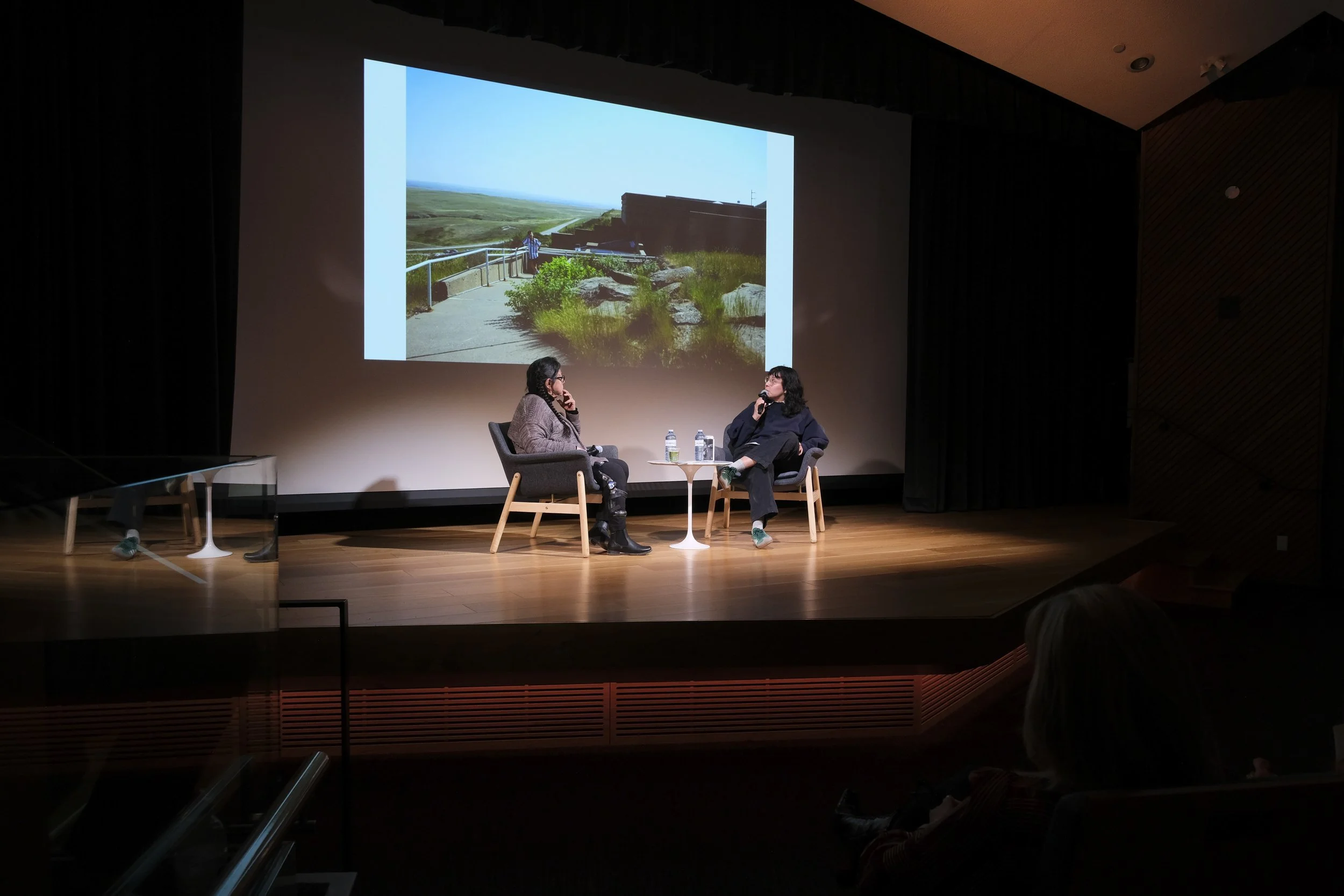
Public Engagement: Resident artists participate actively in public programming, which may include leading conversations, workshops, and group programs, both within the gallery and on the land. This programming serves as a platform for collective learning, active land acknowledgement, and the transmission of Indigenous languages and knowledge.
Knowledge Sharing and Documentation: The residency upholds the importance of Indigenous languages and cultural practices, emphasizing intergenerational transmission. All works produced during the residency are fully documented and the program is expanding to include critical texts, ensuring these artistic practices are preserved, shared, and accessible for future generations.