Tectonic Shifts
Artist Biographies
Michael Belmore (he/him)
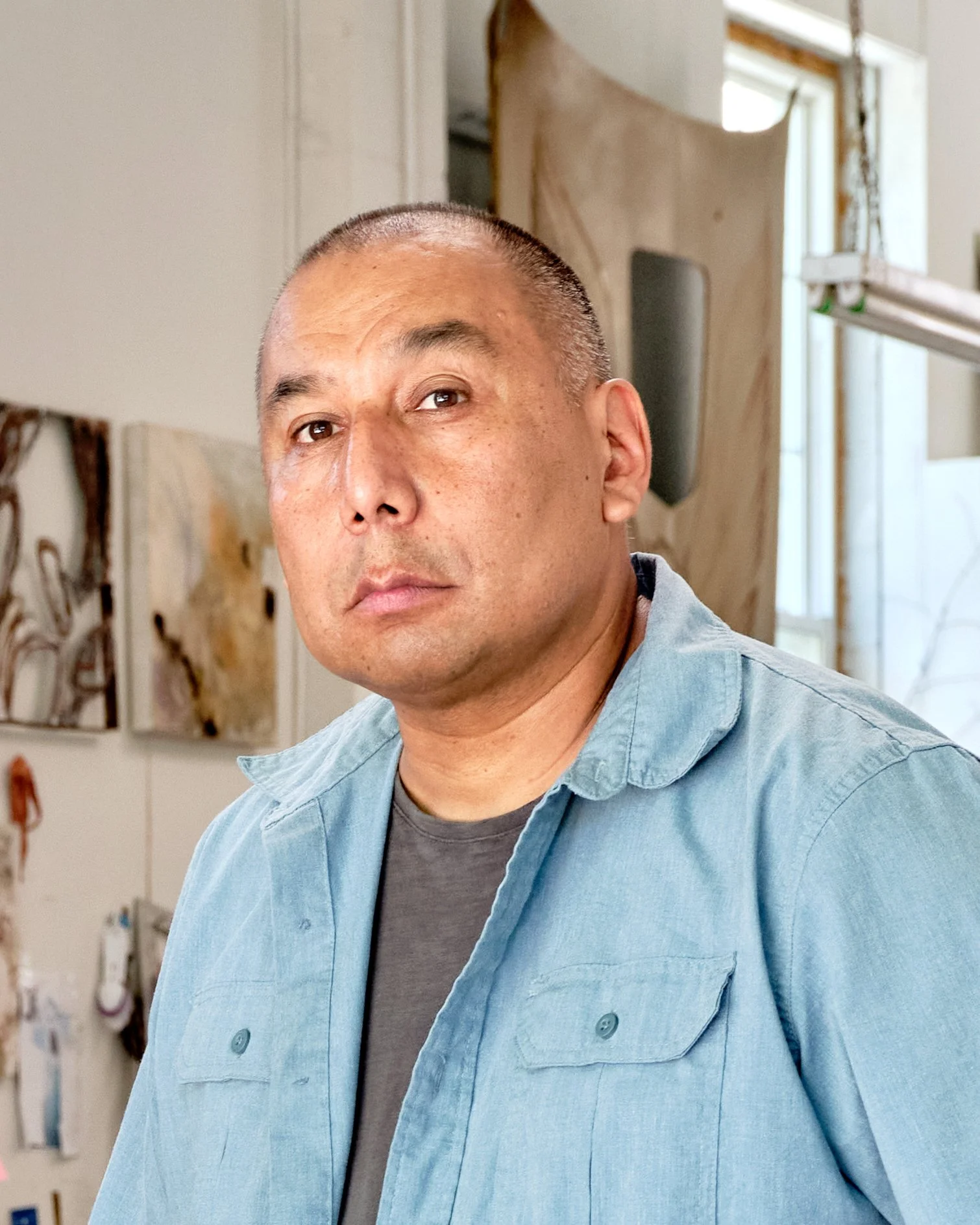
Photo by Janet Kimber
Michael Belmore employs a variety of materials and processes that reflect on our relationship with the environment and the land, and what it is to be Anishinaabe. A graduate of the Ontario College of Art and Design, he completed his Masters of Fine Art at the University of Ottawa in 2019. Practicing for over 25 years, Belmore’s work is included in the permanent collections of a number of institutions, including the National Gallery of Canada, the Art Gallery of Ontario, and the National Museum of the American Indian – Smithsonian Institute. Belmore is a member of Unsettled Ground Artists Inc., and is currently involved in the creation of a multi-year public art project for four light rail stations as part of Phase 2 of Ottawa Light Rail. His exhibitions include: Every. Now. Then: Reframing Nationhood at the Art Gallery of Ontario, Toronto, ON; Shapeshifting: Transformations in Native American Art at the Peabody Essex in Salem, MA; and HIDE: Skin as Material and Metaphor at the National Museum of the American Indian – George Gustav Heye Centre in New York.
Millie Chen (she/her)
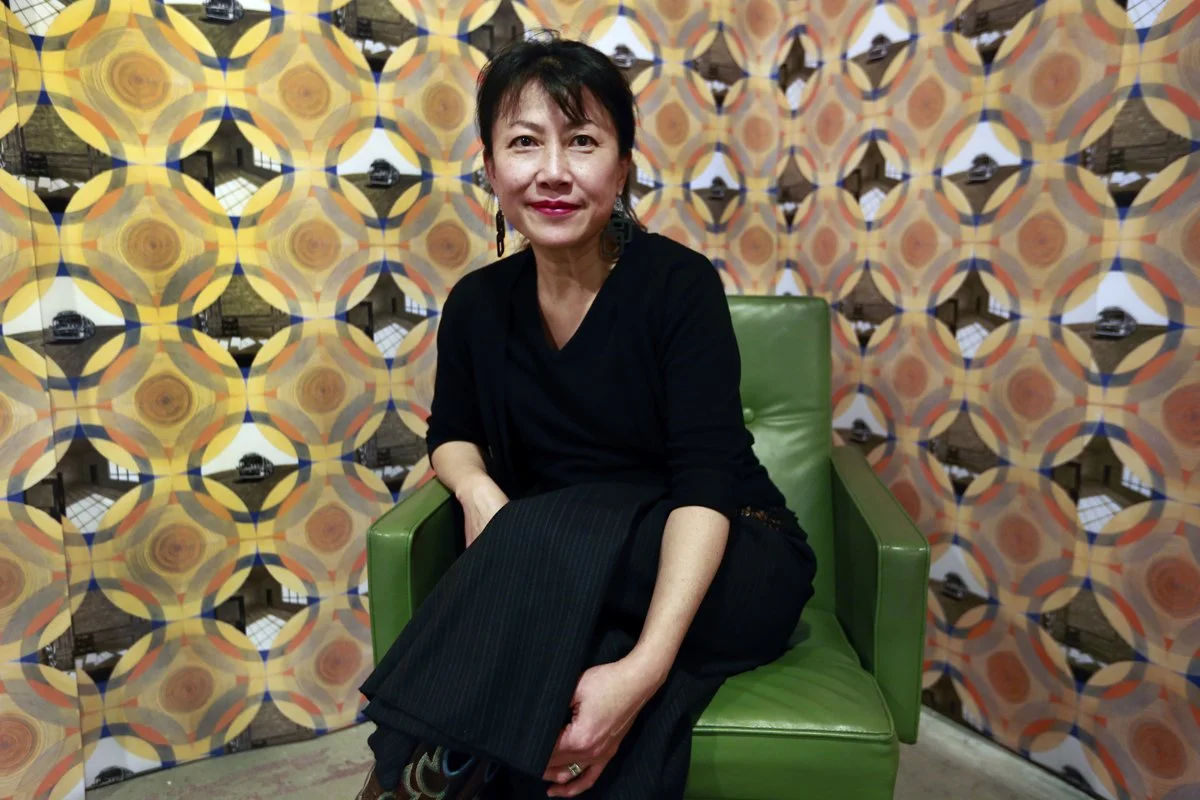
Photo by Cheryl Gorski
Millie Chen creates installations, drawings and media works that challenge habitual viewing and emphasize sensory knowledge. Her work has been exhibited globally, including at Buffalo AKG Art Museum; Centre Culturel Canadien, Paris; The Power Plant, Toronto; Centro Nacional des las Artes, Mexico City; The Contemporary Austin; Aesthetica Film Festival, York, UK; Hong Kong Asian Film Festival; Shanghai Expo; and FILE-Rio: Electronic Language International Festival, Rio de Janeiro. Chen’s work is in several public collections including the Art Gallery of Ontario, Buffalo AKG Art Museum, University of Colorado Art Museum, Art Bank of Canada Council for the Arts, Canadian Pacific Railway, and Toronto Transit Commission. Chen is a Professor in the Department of Art, University at Buffalo, SUNY.
Nicole Collins (she/her)
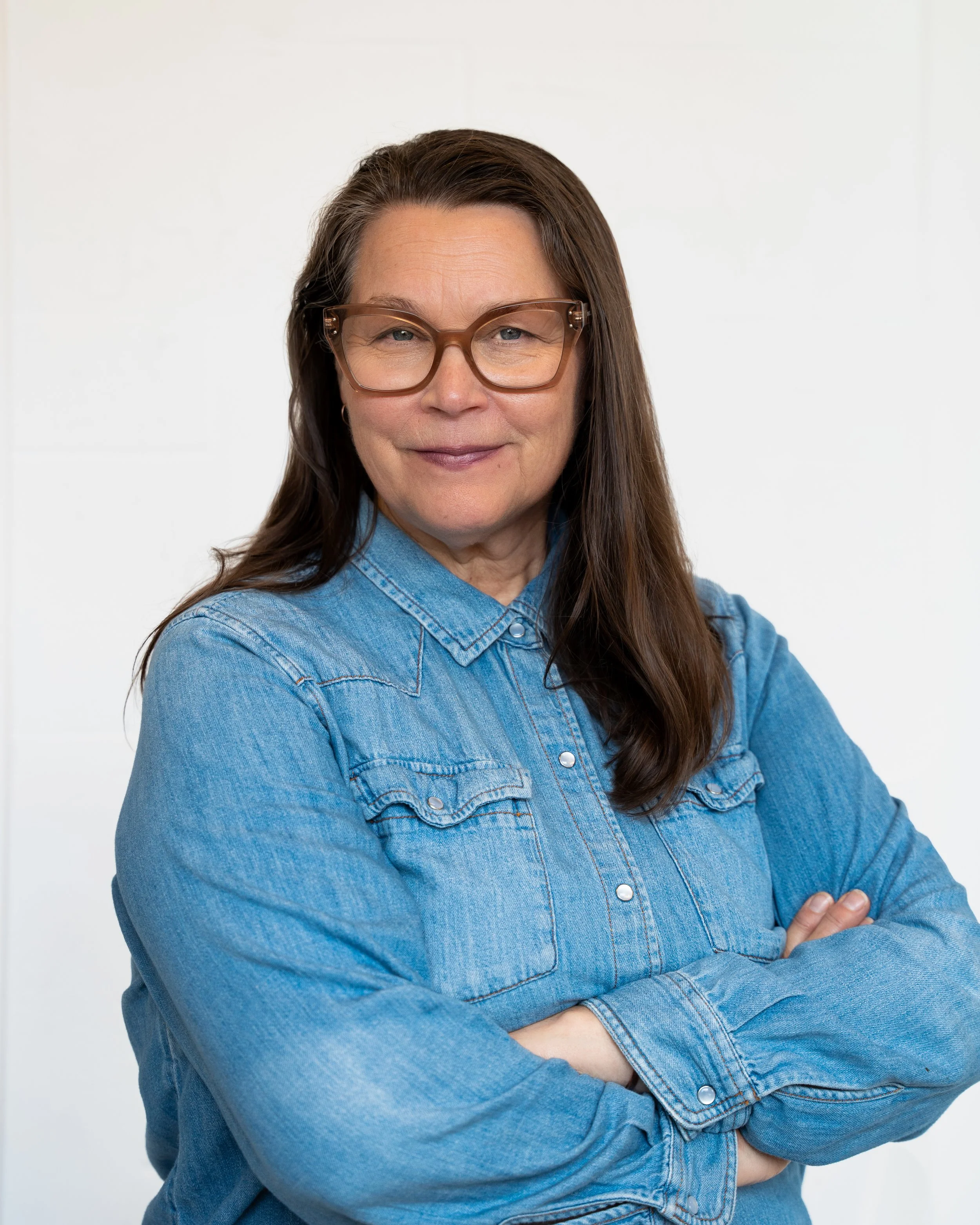
Nicole Collins’ art practice has focused on the effect, and subsequent affect, of time, memory, accumulation, force, and heat on visceral and ephemeral materials including wax, charcoal, plants, oils and metals, through painting, drawing, digital reproduction, installation, intervention, video, and sound, works have engaged with themes of mortality, grief, ephemerality, decreation, and resilience. Since 1994, she has exhibited extensively with commercial galleries as well as solo exhibitions including: Bakuroyokoyama Gallery Tokyo(2023); The Koffler Gallery (2018); The Art Gallery of Ontario (2013); The University of Waterloo Art Gallery (2013); The Embassy of Canada in Tokyo (2001); and group exhibitions in Toronto, Hamilton, St. Johns, New York, Miami, London and Zurich. Her work is included in the major survey Abstract Painting in Canada (Roald Nasgaard) and A Concise History of Canadian Painting, third edition. Collins lives in Northumberland County, Ontario and is Associate Professor of Material and Visual Culture in the Drawing & Painting program and co-director of the Sustainable Colour Lab at the Ontario College of Art and Design University in Toronto.
Lara Felsing (she/her)
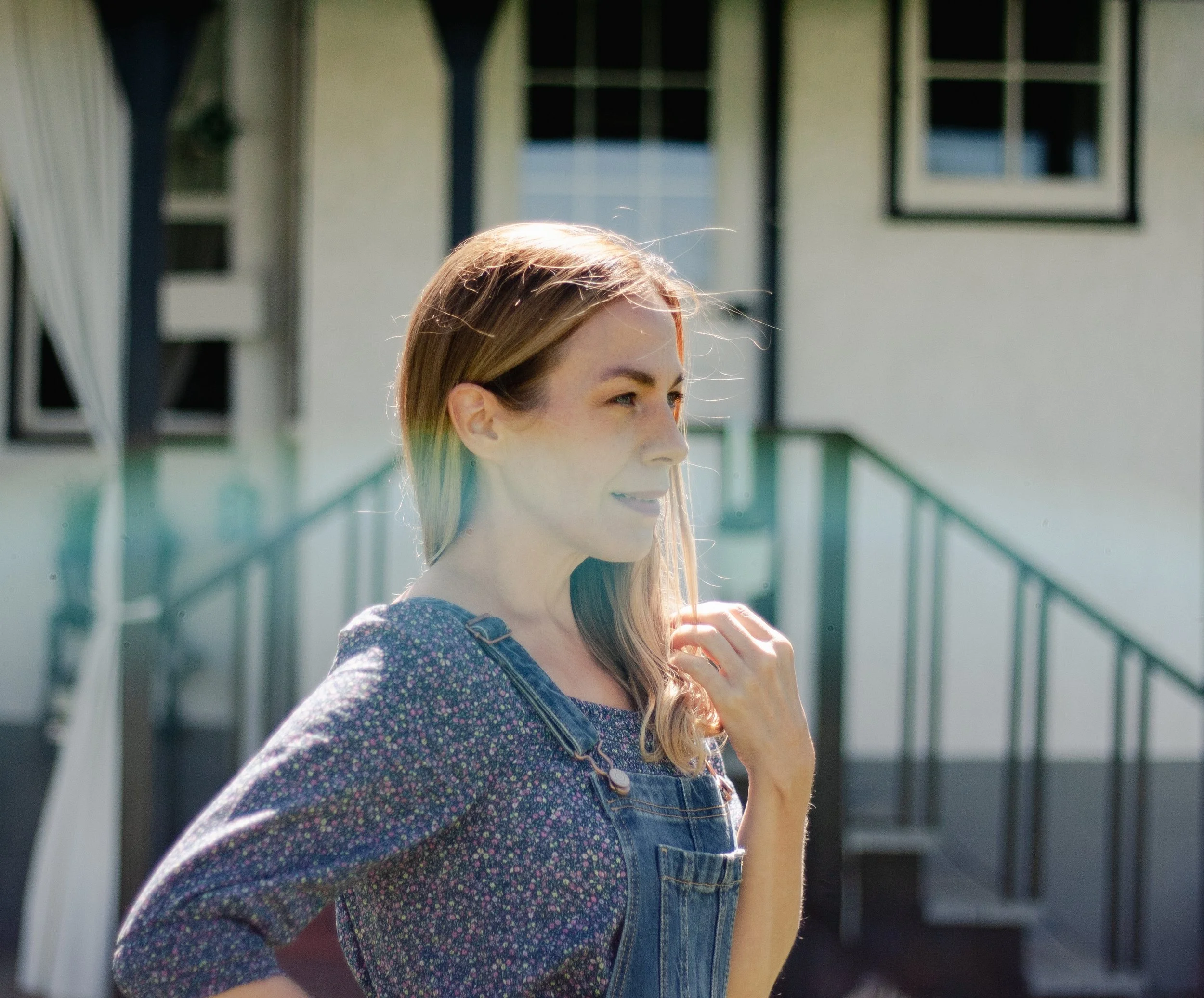
Photo by Gabriella Heron
Lara Felsing is a Cree Métis artist from Northern Alberta, Canada, and a registered member of the Métis Nation of Alberta. Her practice expresses kinship with the natural world and advocates living in reciprocity with the land and all living beings. Traditional plant harvesting is at the core of her practice. Felsing gathers roots, leaves, berries, petals, and pine needles to create compostable baskets, weavings, clothing, and blankets that speak to the necessity of honouring and showing gratitude for Mother Earth's gifts. She has exhibited internationally and attended residencies at the Banff Centre for Arts and Creativity and the Bemis Center for Contemporary Arts. Her practice responds to stories happening on the land where she lives and beyond, and addresses the increasing prevalence of wildfires, including her experiences evacuating her community twice in 2023. Felsing’s practice investigates how wildfire smoke affects humans, plants, insects, animals, and the land. She looks closely at the air we breathe when wildfires burn near and far, and explores climate change, ecogrief, community, and living in reciprocity with all living things.
Braxton Garneau (he/him)
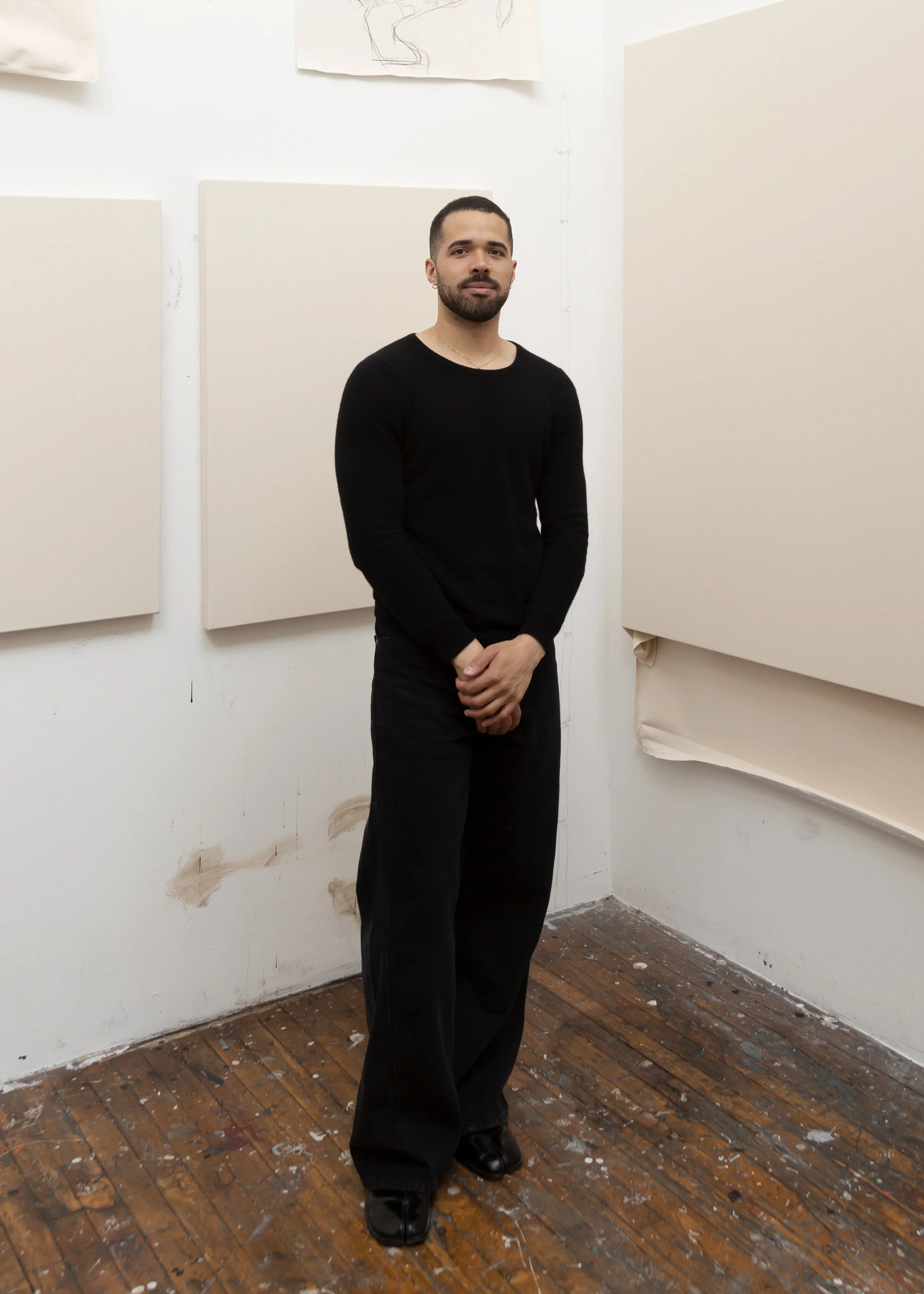
Photo by Émile Kirsch
Braxton Garneau is a visual artist based in amiskwaciwâskahikan (Edmonton, Canada). He holds a BFA from the University of Alberta, and has had solo exhibitions at College Art Galleries, University of Saskatchewan, Saskatoon (2026); moniquemeloche, Chicago (2025); the Art Gallery of Alberta, Edmonton (2024); and Efraín López, New York (2024). His work was featured in the exhibitions Land, Sea, Sugar, Salt: Terrestrial and Aquatic Contemplations of the Caribbean, Remai Modern (2025); Black Every Day, Art Gallery of Alberta (2021); and It's About Time: Dancing Black in Canada 1900-1970 and Now, Mitchell Art Gallery, Edmonton (2020). In 2024, his work Pitch Lake (Pietà) was acquired by the Museum of Contemporary Art San Diego through the Northern Trust Purchase Prize at EXPO Chicago. He has attended residencies at the Banff Centre, International Studio and Curatorial Program (Brooklyn, NY), and Golden Foundation (New Berlin, NY). With a focus on painting, sculpture, printmaking and installation, Garneau’s practice is rooted in materiality, costuming, and transformation. Working in-between cultures, he combines visual influences from classical and contemporary forms with material investigations to consider cultural, social and historical implications.
David Garneau (he/him)
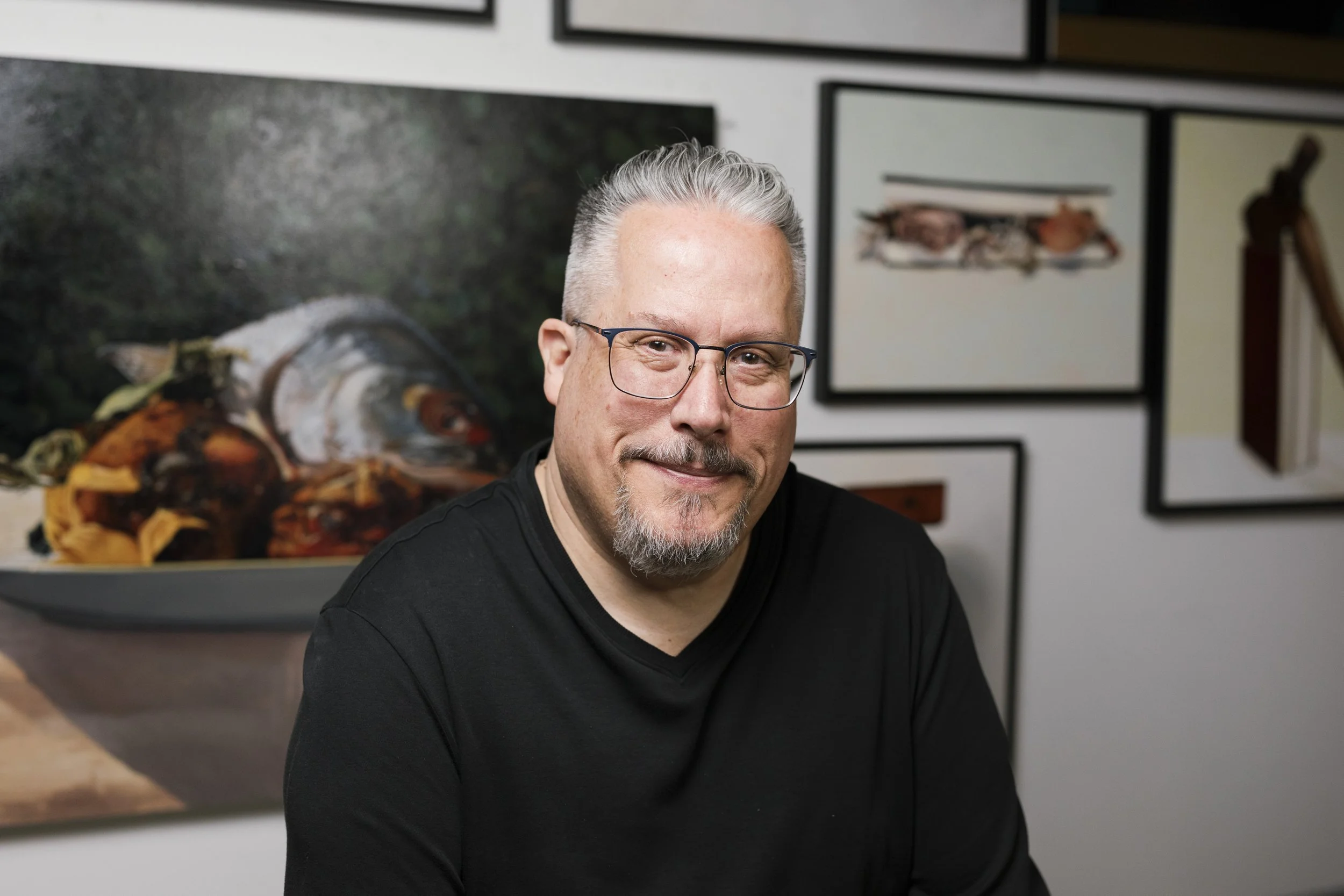
Photo by Mika Abbott
David Garneau (Métis Nation of Saskatchewan) is a Professor of Visual Arts at the University of Regina. He is a painter, writer, and curator who engages creative and critical expressions of Indigenous contemporary ways of knowing, being, and doing. He received the Governor General’s Award in Visual and Media Art: Outstanding Achievement, was inducted into the Royal Society of Canada, and received The Order of Gabriel Dumont Silver Medal and King Charles III Coronation Medal. Garneau has curated and co-curated more than two dozen exhibitions in Canada and internationally, including at the Museum of the American Indian, New York. He has given keynote lectures in Australia, New Zealand, and throughout Canada on re/conciliation, heritage museums, Indigenous contemporary and public art, and Métis art and identities, among others. His performance, Dear John, featuring the spirit of Louis Riel meeting with John A. Macdonald statues, was presented in Regina, Kingston, and Ottawa. Garneau has installed a large public artwork, the Tawatina Bridge paintings, in Edmonton. His painting exhibition, Dark Chapters, tours Canada from 2025-2028. It is accompanied by a book, Dark Chapters: Reading the Still Lives of David Garneau, a collection of poems and essays by seventeen authors (University of Regina Press).
Jude Griebel (he/him)
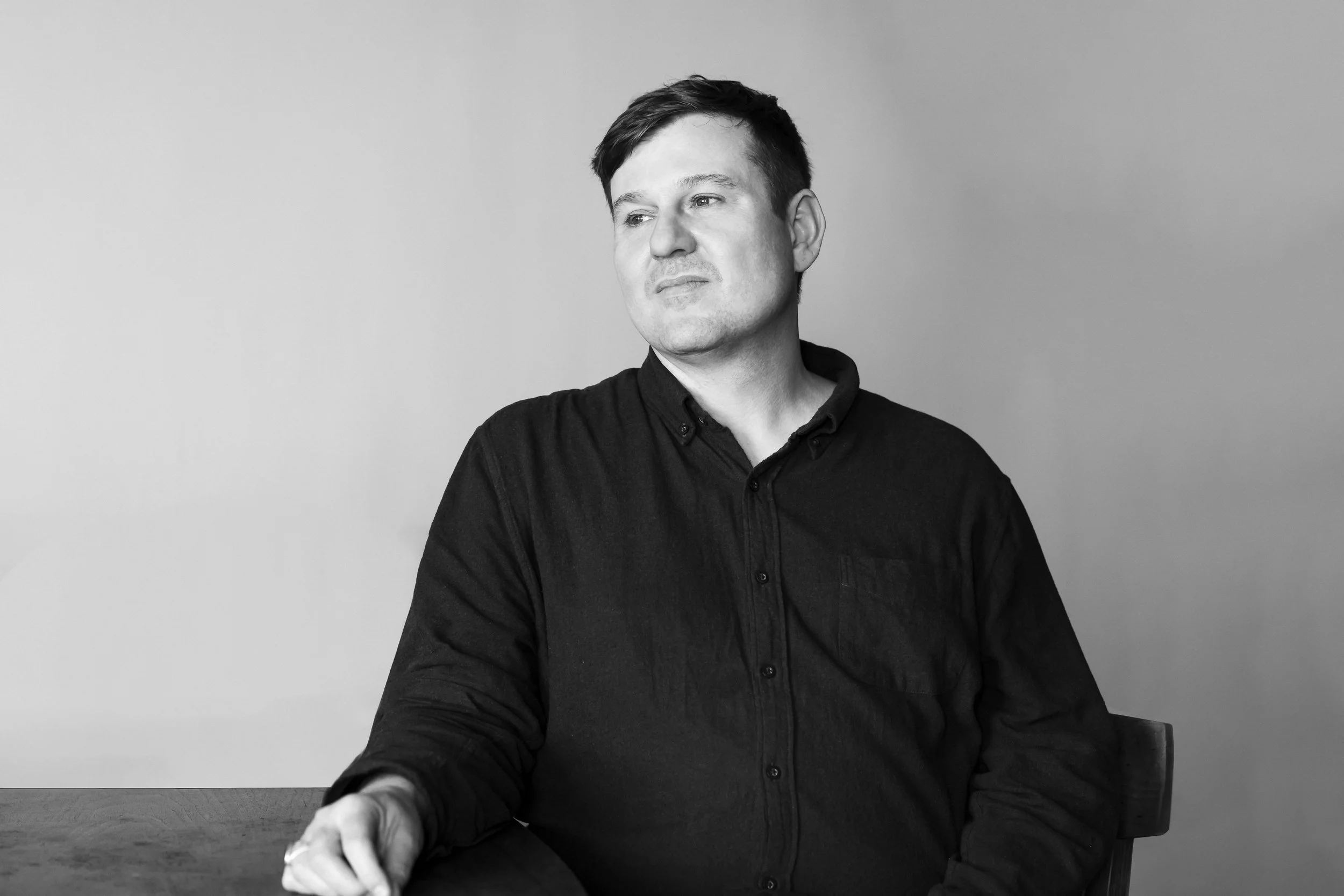
Photo by Margaret Thompson
Jude Griebel’s sculptures probe the intersections between consumerism, ecology, and myth – translating environmental precarity into carefully crafted, allegorical forms. The mechanics of consumerism is a driving theme behind his sculptures, with a specific focus on the factory food system and its implications for land depletion and climate shift. These interests have broadened from his family’s agrarian history on the prairies to the complexities of global food challenges, ecological strain, and interspecific relationships. Recent works incorporate materials such as stained glass and porcelain, creating distinctive links between craft histories, the species that sustain us and their distorted representation in visual culture. Griebel is a 2026 Guggenheim Fellow. Recent exhibitions include Powerhouse Arts, New York; The Armory Show, New York; Massey Klein, New York; Chart, New York; The Rochester Center for Contemporary Art, NY; Leitrim Sculpture Centre, Ireland and Le Carmel Pamiers, France. Griebel is a 2025 and 2027 recipient of the John Michael Kohler Art Center’s Art + Industry program, and his work has been supported by further residencies at Pioneer Works, New York; International Studio and Curatorial Program, New York and Halle 14 Center for Contemporary Art, Leipzig.
Suzy Lake (she/her)
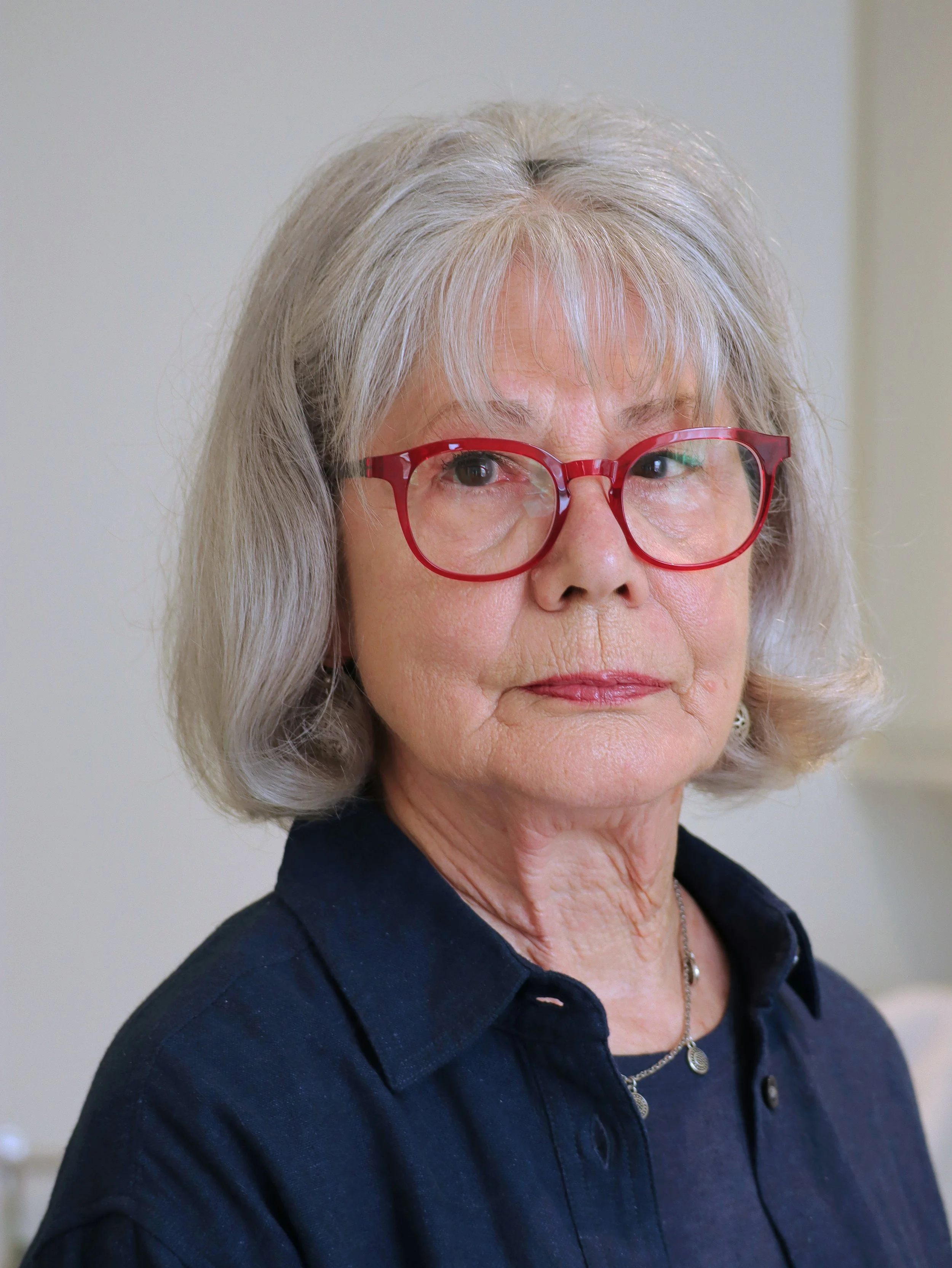
For over five decades, Suzy Lake has used her own body and image as both subject and tool to explore the complexities of identity, power, and embodiment. Lake’s political and artistic consciousness was shaped by her social justice work in the civil rights movement in her hometown of Detroit, then sustained by the artist-led cultural surge of the 1970s in Montreal, where she played a pivotal role in advancing conceptualism in Canada and beyond. Her work, spanning performance, video, and photography, reflects a persistent and rigorous commitment to challenging gender, age, and identity constructs, forging a visual and conceptual language of feminist critique that continues to resonate today. Her work has been presented extensively at major institutions, including the Centre Pompidou-Metz, Museum of Modern Art (New York), Metropolitan Museum of Art (New York), National Gallery of Canada (Ottawa), Brandhorst Museum (Munich), Montreal Museum of Fine Arts, Vancouver Art Gallery, Hayward Gallery (London), Santa Monica Museum of Art, Los Angeles Museum of Contemporary Art, the Musée d’art contemporain de Montréal, and the Art Gallery of Windsor. A member of the Royal Canadian Academy of Arts, she has been recognized with numerous honours, including the 2016 Governor General’s Award in Visual and Media Arts, the 2016 Scotiabank Photography Award, and, in 2024, the Distinguished Artist Award for Lifetime Achievement from the College Art Association in Chicago.
Sanaz Mazinani (she/her)
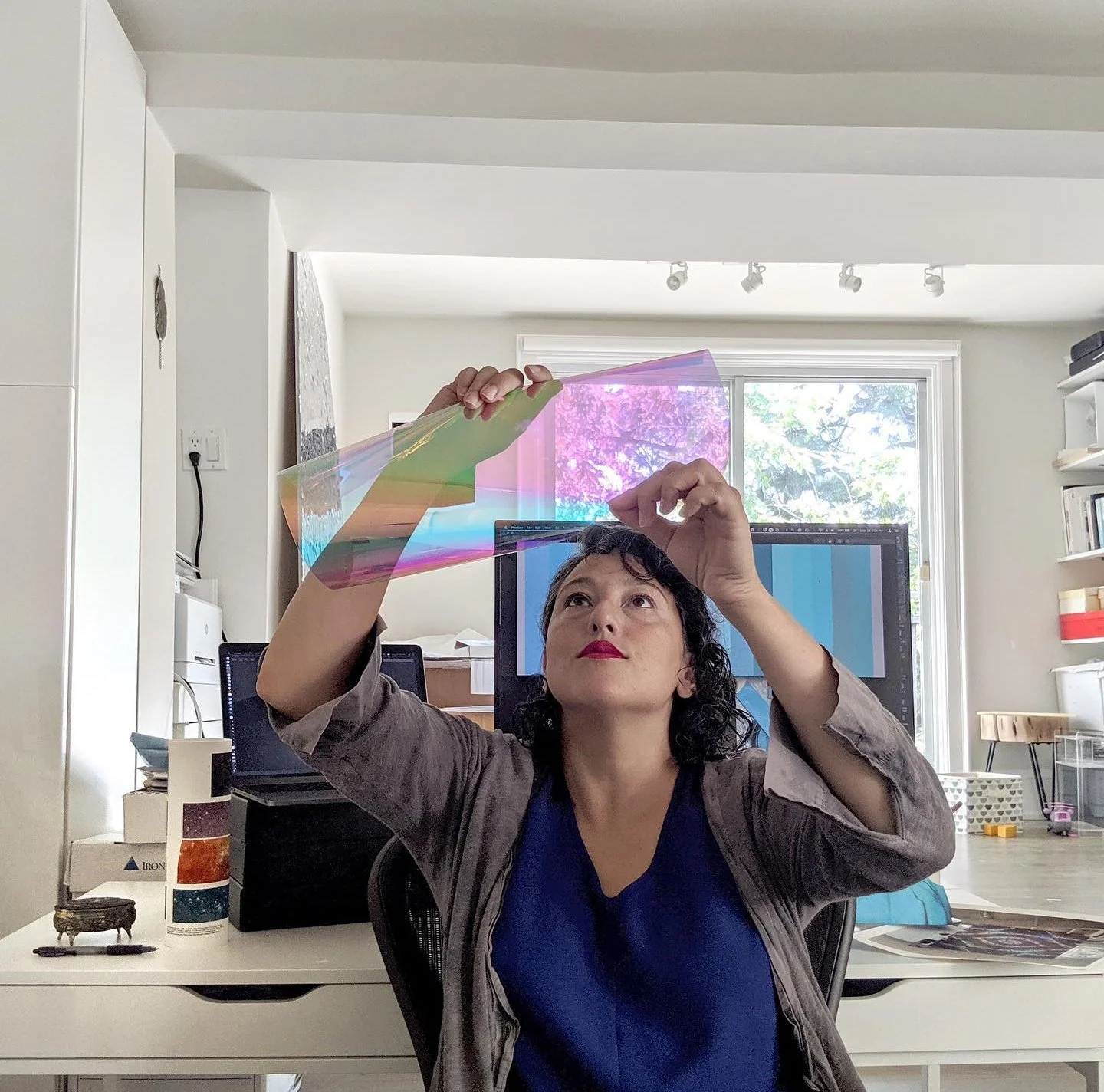
(Sānāz Mazināni ساناز مزینانی) is an Iranian artist, educator, and curator based in Tsí Tkarón:to/Toronto, the traditional territory of the Anishinaabe, including the Mississaugas of the Credit, Chippewa, Haudenosaunee, and Wendat peoples. Working across the disciplines of photography, sculpture, and large-scale multimedia installations, Mazinani creates art objects that invite a rethinking of how we see and experience knowledge. Informed by the visual rhetoric and confounding the presence of media circulation, her multidisciplinary practice aims to politicize the proliferation and distribution of images, invite critical reflection, and forefront social justice and environmental movements. Mazinani is an Associate Professor of Studio Art at the University of Toronto. Her work has appeared in solo exhibitions at institutions, including the Asian Art Museum in San Francisco, the West Vancouver Museum, and Triton Museum of Art in Santa Clara, California. Her projects have been featured in venues throughout Canada as well as China, France, Germany, Guatemala, India, Iran, Switzerland, the UAE, UK, and US. Mazinani's work has been written about in Artforum, artnet News, Border Crossings, Canadian Art, San Francisco Chronicle, Washington Post, among others. She has received grants from the Social Sciences and Humanities Research Council, Canada Council, the Andy Warhol Foundation for the Visual Arts, and the National Endowment for the Arts, and her work is held in public collections including the Art Gallery of Ontario, the Cleveland Museum of Art, and the City and County of San Francisco.
Caroline Monnet (she/her)
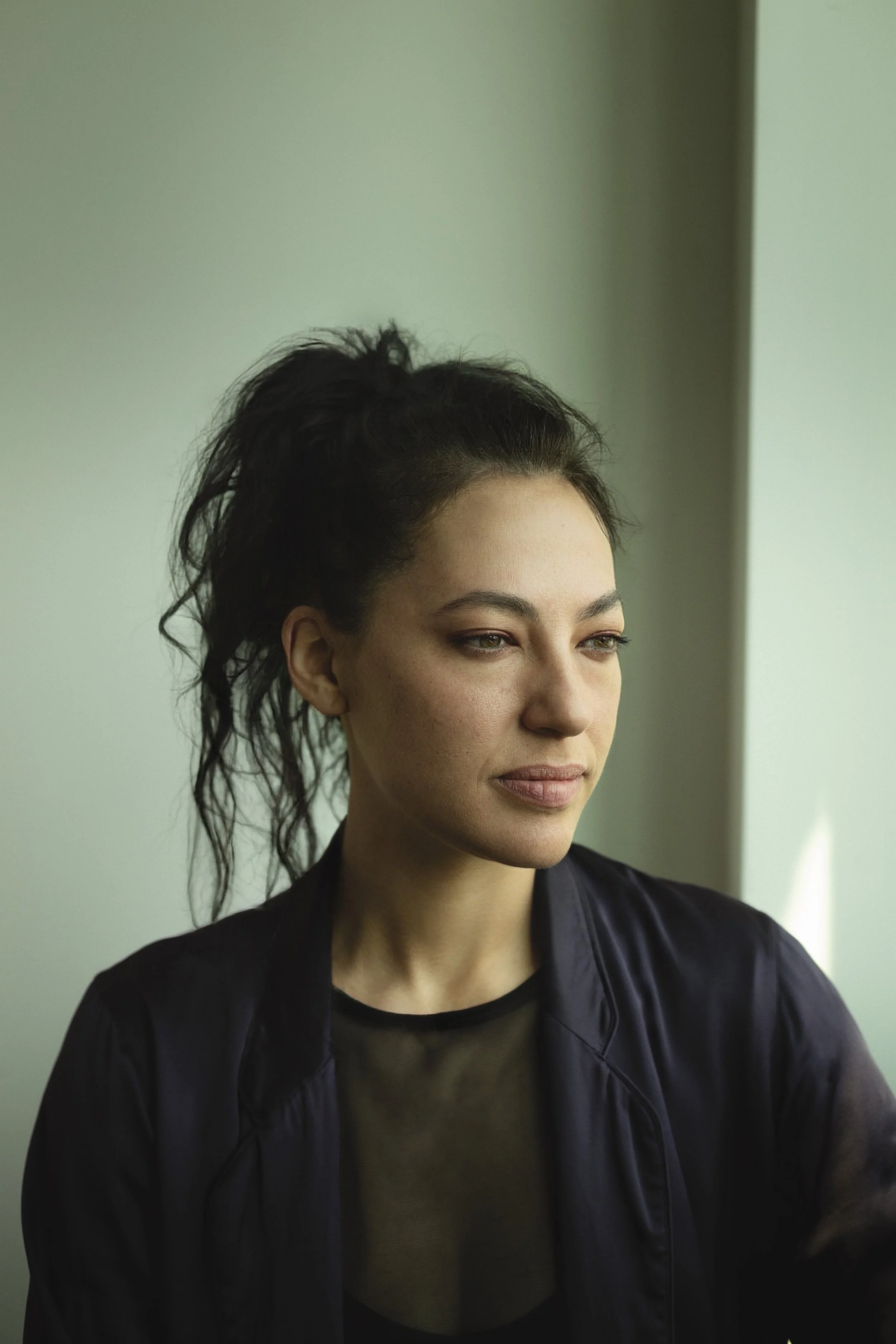
Photo by Éva-Maude
Caroline Monnet is an Anishinaabe and French multidisciplinary artist based in Montreal, originally from Aylmer. Working across visual art and film, her practice explores themes of resilience and transformation. She has exhibited internationally at institutions, including the Montreal Museum of Fine Arts and the Schirn Kunsthalle Frankfurt, and participated in major exhibitions, including at the Whitney Biennial. Her films have screened at the Toronto International Film Festival, Sundance Film Festival, and Berlin International Film Festival. Her artworks are part of major collections across North America and internationally, including the Maison de l’UNESCO in Paris. Monnet is represented by Blouin Division in Montreal and Toronto.
nimkii (they/them/any)
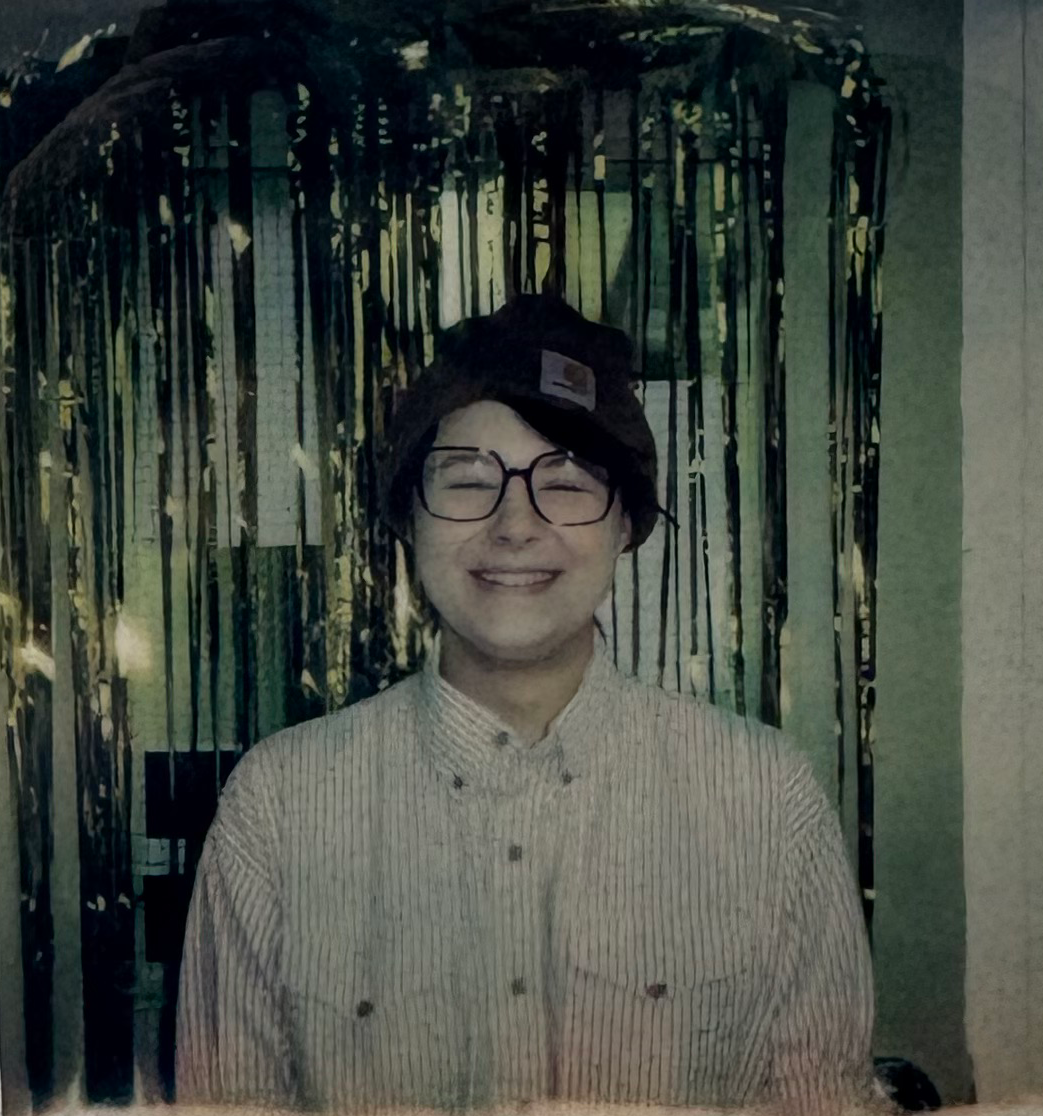
nimkii is a multidisciplinary artist, curator, writer, and storyteller. They grew up in Treaty 7 territory in foster care, moving throughout southern Alberta. Their experiences as a Métis / Nêhiyaw / Chippewa foster kid deeply inform their artistic practice; and as a storyteller, they weave stories that bridge gaps in between, and draw attention to the intersections between liberation and social justice movements, focusing on queer histories, working class history, activism, environmentalism, and present day politics. They approach their work through a storytelling lens, placing these histories and truths into personal, understandable, and digestible realities into conversation with each other. nimkii graduated in 2019 with a Bachelor of Fine arts from NSCAD University in Halifax, Nova Scotia, attended the University of Guelph’s MFA program, and is currently an MFA candidate at the Alberta University of the Arts (AUArts). They have exhibited their work across Turtle Island, most recently at institutions such as: The Confederation Centre for the Arts in Charlottetown PEI; The Mitchell Art Gallery in Edmonton; Gallery Gachet in Vancouver; TRUCK Contemporary Art; Stride Gallery; and The New Gallery in Calgary. Their curatorial work has spanned various projects, such as a curatorial beadwork style study in Treaty 7; an exhibition in Seoul at the MODU Art Space; and TRUCK Contemporary Art Gallery in Calgary, Alberta.
Kosisochukwu Nnebe (she/her)
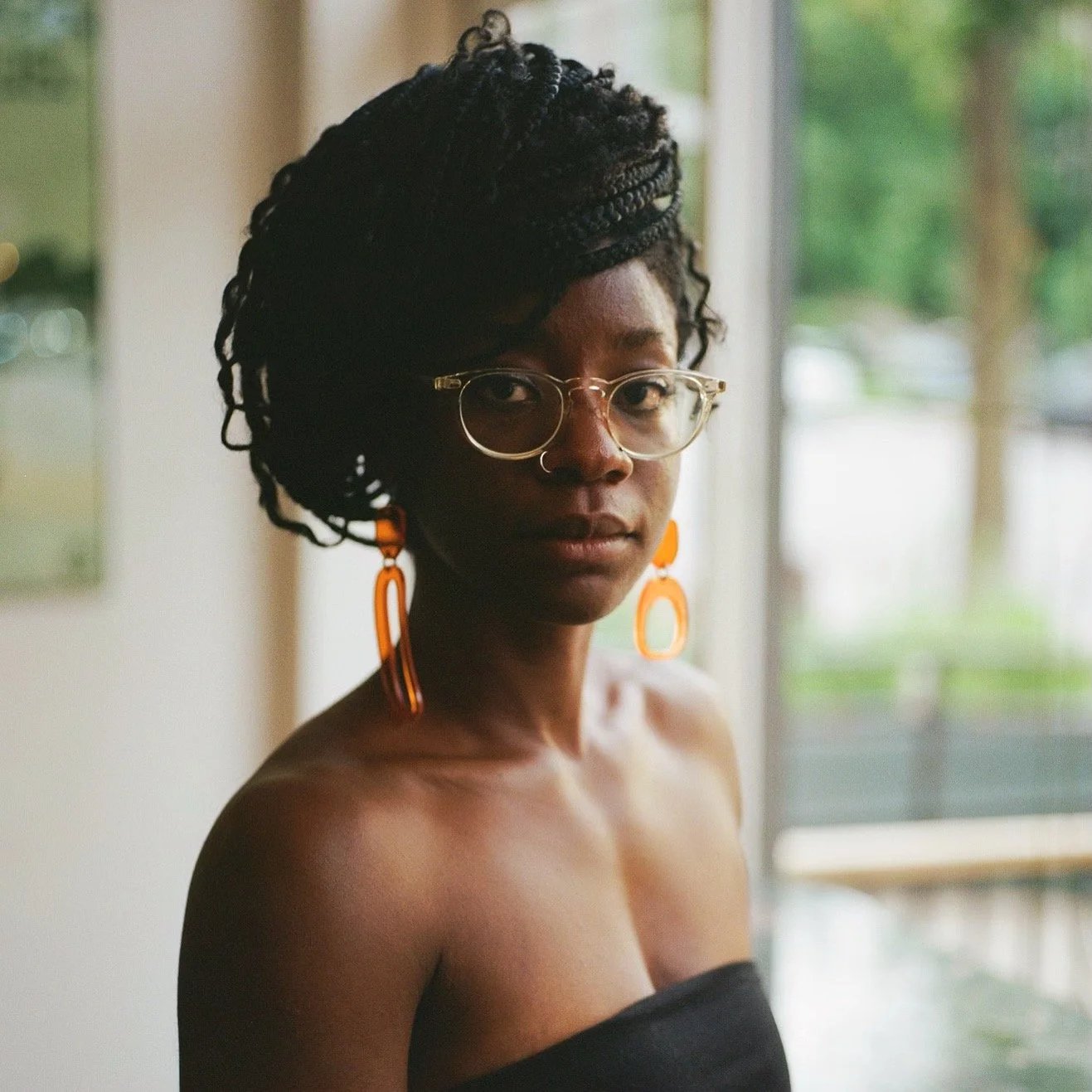
Photo by Vladim Vilain
Kosisochukwu Nnebe is a Nigerian-Canadian conceptual artist, researcher, and writer. Her practice mobilizes vernacular forms and everyday infrastructures—foodways, nail salons, native languages—to construct counter-archives of Blackness rooted in anti-imperial relationality. Cutting across installation, sculpture and lens-based media, her works engage with coded visual lexicons to establish Black women’s emotional lives, labour, and knowledge not as subjects to be deciphered but as the epistemic ground through which meaning itself becomes possible.
Nnebe is the recipient of the 2026 Joseph S. Stauffer Prize in Visual Arts from the Canada Council for the Arts. She is a 2025 alumna of the Jan van Eyck Academie in Maastricht, Netherlands; a 2023-24 Awardee of the G.A.S. Fellowship started by Yinka Shonibare CBE RA in Lagos, Nigeria; and was nominated for and selected as a 2024 Artist-in-Residence with Women Photographers International Archive (WOPHA) at El Espacio 23, a contemporary art space founded by Jorge M. Perez in Miami, US. In 2027, Nnebe will take part in residencies in Chicago with the Floating Museum – a collaboration with the Yinka Shonibare and G.A.S. Foundations – and Brussels with the Moussem Nomadic Art Centre.
Sasha Opeiko (she/her)
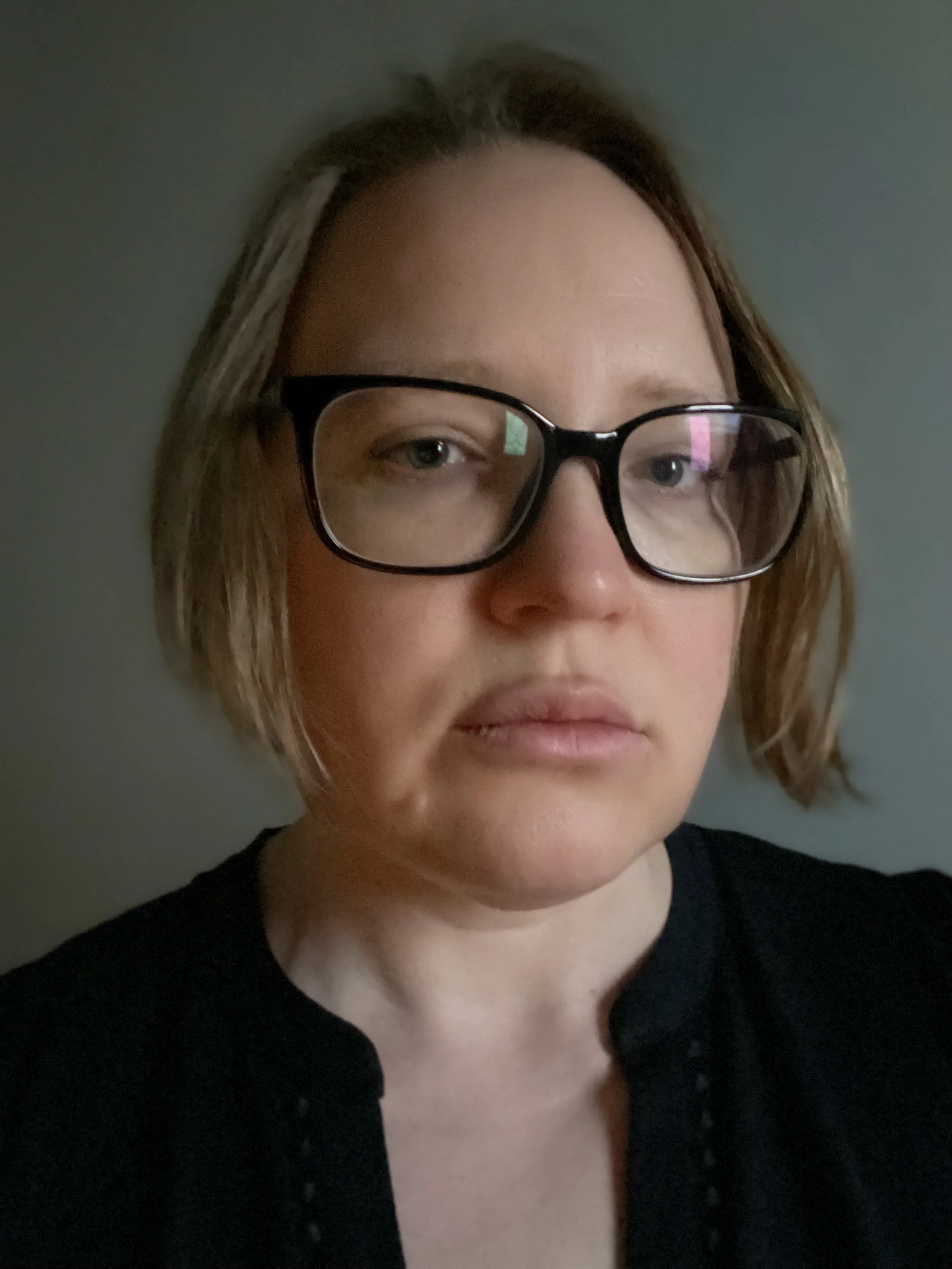
Sasha Opeiko is an artist working with video, installation, painting, drawing, and assemblage. Her practice explores melancholy, decay, mediation, and the material life of images and discarded objects amid conditions of consumption, obsolescence, and technological reproduction. Working with found materials, appropriated images, and digital processes, she rechannels images and objects through different material and technical forms, using processes of reiteration and translation. She has exhibited at Art Windsor-Essex, Thames Art Gallery, Art Gallery of Peterborough, and McIntosh Gallery, among others. She has received support from the Canada Council for the Arts, Ontario Arts Council, and SSHRC. She completed her PhD in Art and Visual Culture at Western University in 2024.
Naomi Rincón-Gallardo (she/her)
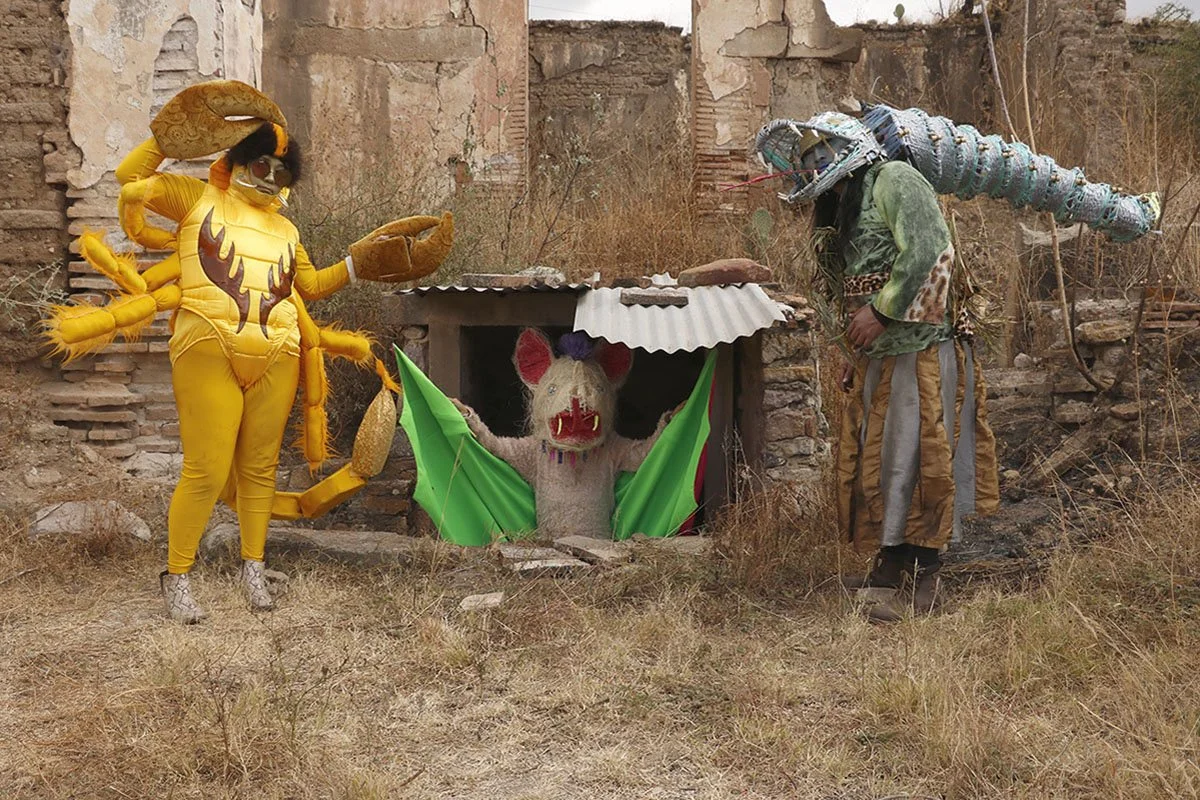
Naomi Rincón-Gallardo. Sonnet of Vermin (still), 2022.
Naomi Rincón Gallardo lives and works between Oaxaca and Mexico City, Mexico. From a decolonial-queer perspective, her critical-mythical worldmaking addresses the creation of counter-worlds in neocolonial settings. In her work she integrates her interests in theater games, popular music, Mesoamerican cosmologies, speculative fiction, vernacular festivities and crafts, decolonial feminisms and queer of color critique. She holds a BFA degree in Visual Arts from ENPEG La Esmeralda, Mexico, an MA degree in Education, Culture Language and Identity from Goldmiths University of London, UK, and a PhD in Practice at the Academy of Fine Arts Vienna, Austria. Recent shows include: Sonnet of Vermin, Hayward Gallery, London (2024); Tzitzimime Trilogy, la Casa Encendida Madrid, 2023; Artes Mundi 10, Chapter, Cardiff (2023); Momenta Biennale de l’Image, 2023 Montreal; 59th International Art Exhibition of La Biennale di Venezia 2022; 34th Bienal de São Paulo, 2021; Una Trilogía de Cuevas (A Trilogy of Caves), 2020, Museo de Arte Contemporáneo de Oaxaca; May your thunder break the sky, 2020, Kunstraum Innsbruck; 11 Berlin Biennale, 2020, Berlin; Heavy Blood, 2019, Museo Experimental El Eco, Mexico City. Rincón Gallardo’s works are part of the collections of TATE (UK), KADIST (USA,FR), FRAC des Paus de la Loire (FR), Museo Tamayo Collection (MX), Museo de Arte Carrillo Gil Collection (MX), Moisés Cosio’s Collection (MX), Guadalupe Phillips’ Collection (MX), Servais Family Collection (BE), Benedicta Nordenstahl’s Collection (US, SNG), Alfonso Castro’s Collection (MX) and Álvaro Castillo’s Collection (MX).
Michelle Sound (she/her)
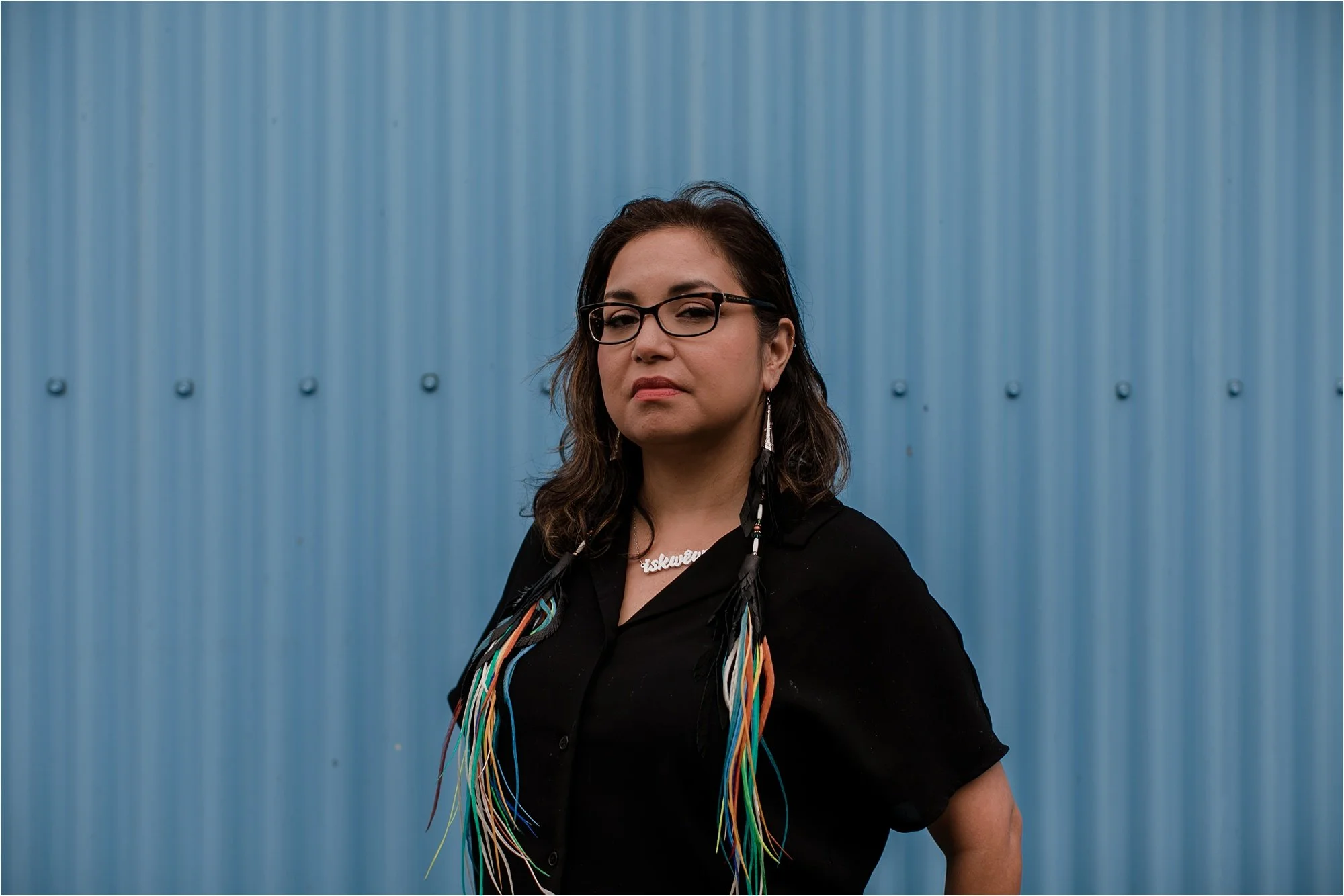
Photo by SWEETMOON PHOTOGRAPHY
Michelle Sound is a Cree and Métis artist and mother. She is a member of Wapsewsipi Swan River First Nation in Treaty 8 Territory. She holds a Bachelor of Fine Arts from Simon Fraser University, School for the Contemporary Arts, and a Master of Applied Arts from Emily Carr University Art + Design. Public art pieces include a printed Transit mural (City of Edmonton) and a printed mural at the Canadian Embassy in Paris, France. Sound has exhibited nationally and internationally. Her work is held in the collections of the Indigenous Art Centre (CIRNAC), Forge Project NY, the McMichael Collection and the National Gallery of Canada. Sound has been longlisted for the Lind Photography Prize (2024) and the Sobey Art Award (2025).
Kara Springer (she/her)
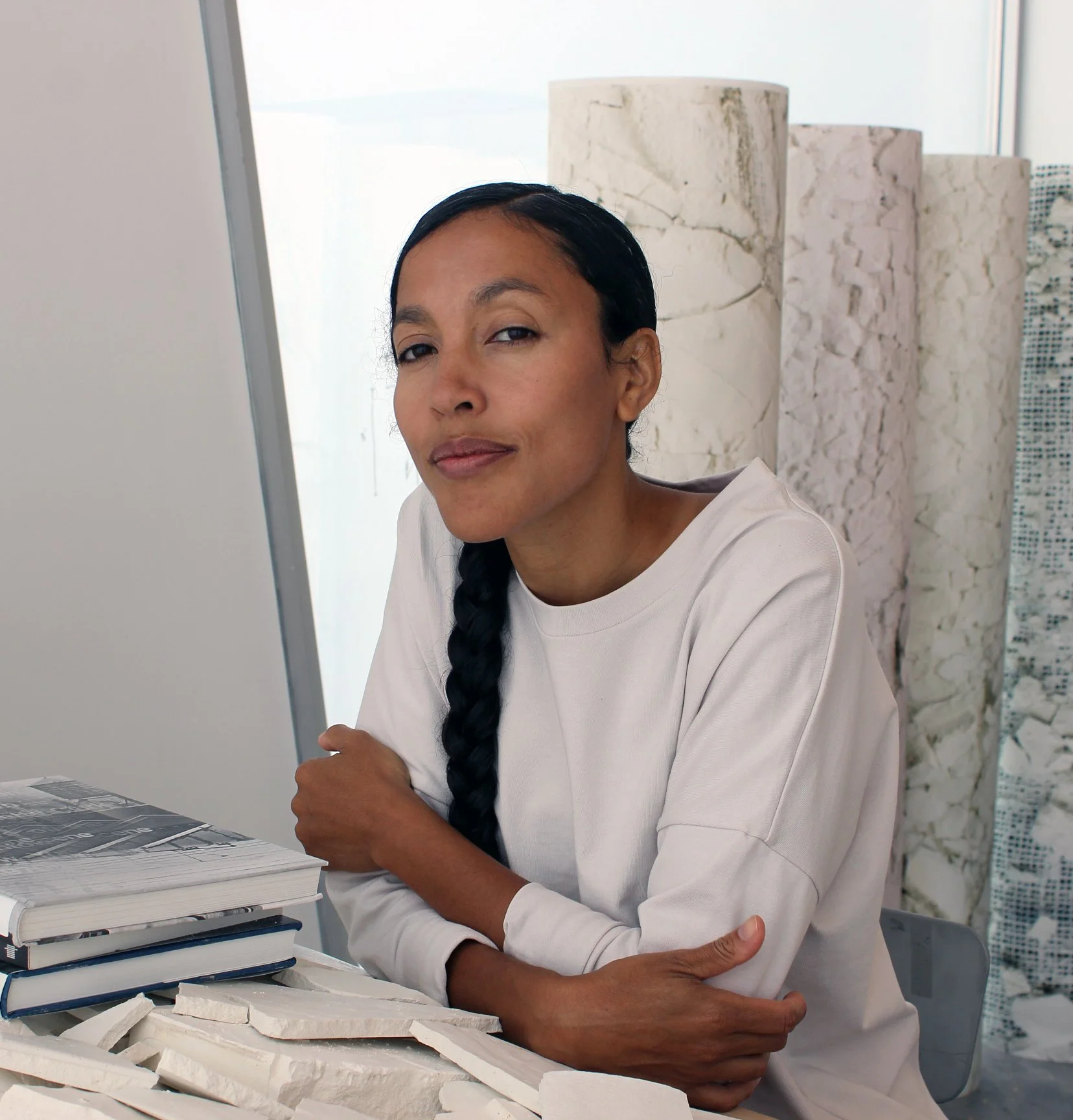
Kara Springer works with photography, sculpture, and site-specific interventions to explore systems of infrastructure and structural support. Her practice is fundamentally rooted in processes of care and tending – in being attuned to the specificities of a given context and environment in order to better understand how a structure might live sustainably in relationship to the world around itself. She studied and practiced industrial design in Toronto and Paris before receiving a University Fellowship to pursue an MFA in Sculpture at the Tyler School of Art in Philadelphia. Her work has been exhibited at institutions including the Art Gallery of Ontario and the Museum of Contemporary Art, Toronto; the Institute of Contemporary Art, Philadelphia; the National Gallery of the Bahamas; the National Gallery of Jamaica; and the Museum of Applied Arts, Frankfurt. She is an alumna of the Independent Study Program at the Whitney Museum of American Art and the Core Program at the Museum of Fine Arts, Houston. Her work has been acquired by Fotomuseum Winterthur in Switzerland, the Remai Museum of Modern Art in Canada, and the Whitney Museum of American Art.
Shaheer Zazai (he/him)
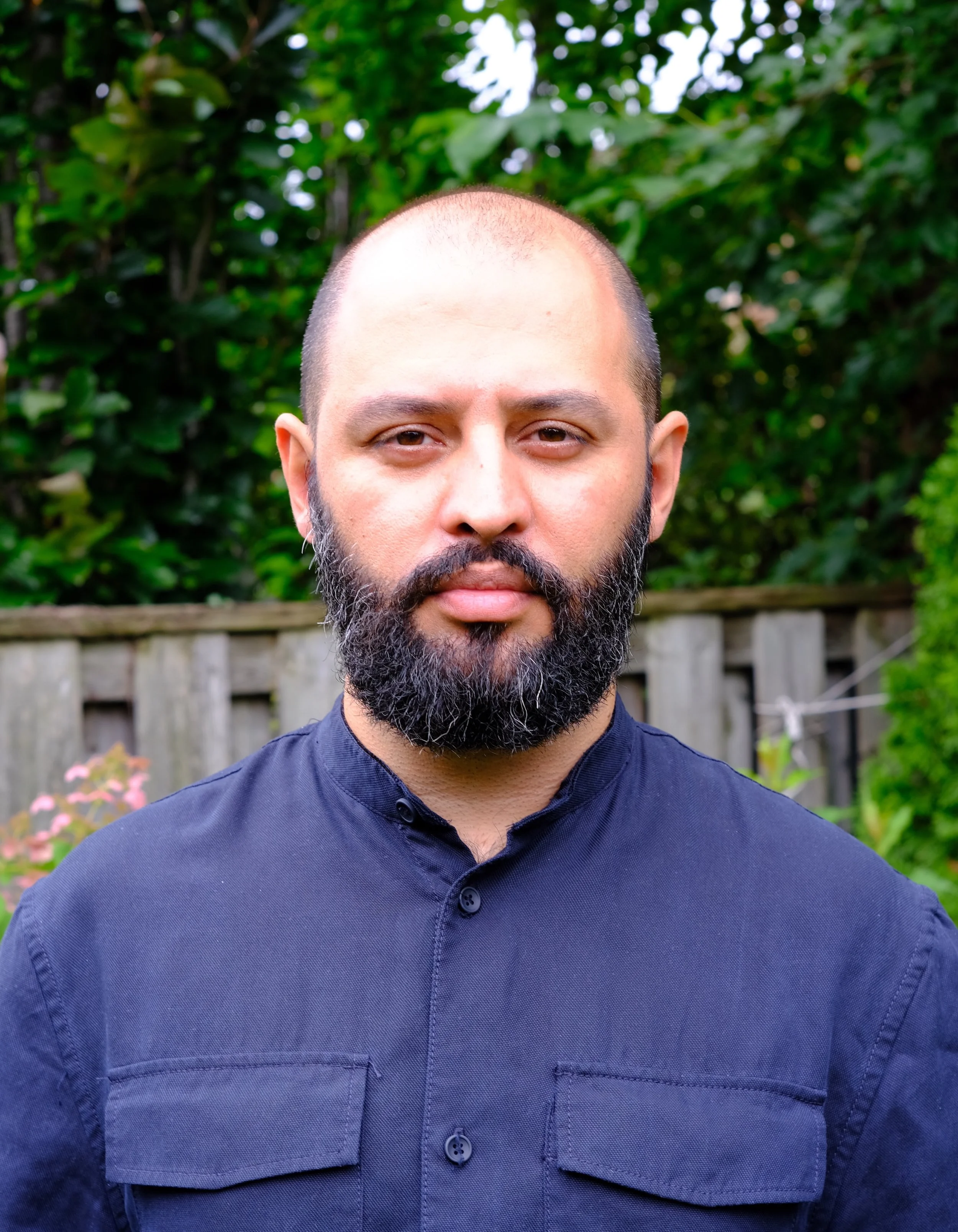
Shaheer Zazai is an Afghan-Canadian multidisciplinary artist working across painting, digital media, textiles, installation, and video. His practice examines how cultural knowledge is constructed, carried, and transformed through materials, technologies, and lived experience. Employing Microsoft Word and Excel as artistic mediums, his digital works explore the structural relationship between textile production and digital image-making. Zazai’s work has been exhibited nationally and internationally, including solo exhibitions at the Aga Khan Museum, Art Gallery of Mississauga, Owens Art Gallery, Latcham Art Centre, and Patel Brown Gallery, as well as presentations at CAFKA Biennial, Govett-Brewster Art Gallery (New Zealand), Leila Heller Gallery (Dubai), the Museum of Fine Arts at Florida State University, Museum of Craft and Design in San Francisco, the Textile Museum of Canada, Doris McCarthy Gallery, Blackwood Gallery, and The Power Plant Contemporary Art Gallery.